Upholding the Voices of Caregivers and Children in Research: BeThere in South Sudan
Nov. 27, 2025
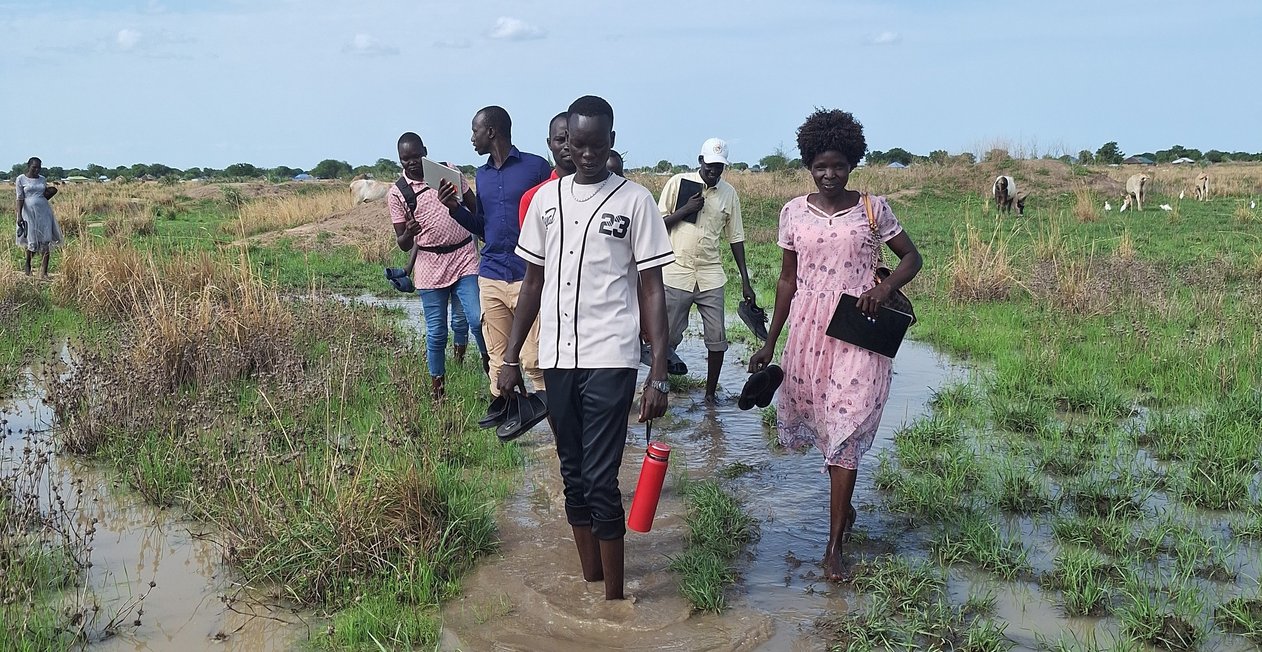
Michael shares profound insights on the daily realities of conducting research in complex settings, discussing the ethical framework used to safeguard participants and the emotional impact of hearing the stories of resilience and hope from families facing immense challenges. His reflections underscore that the true value of humanitarian research lies in amplifying the voices that are often unheard and ensuring that every child grows up in a safe and supportive environment.
Could you please introduce yourself and tell us about the research you are conducting in South Sudan?
My name is Ajak Michael Bul. I am a Research Coordinator and Co-Investigator of the BeThere research project in South Sudan, focusing on evaluating the effectiveness of BeThere, which focuses on reducing parental distress and improving positive parenting, and therefore positively impacting children's wellbeing.
The study aims to explore how positive parenting practices contribute to children's overall wellbeing and protection within South Sudan’s socio-economic and cultural context. More specifically, the study seeks to identify the challenges parents and caregivers face, such as conflict, poverty, displacement, and limited access to services, and how these factors affect their ability to provide nurturing care. It also assesses the impact of community-based parenting interventions and awareness programmes on improving child wellbeing and family resilience.
Ultimately, our goal is to generate evidence that can inform policy and programmatic decisions aimed at strengthening families, promoting positive parental engagement, and ensuring that every child grows up in a safe, supportive, and loving environment.
Could you walk us through a typical day for your research team during data collection?
We usually begin around 07:00 in the morning with a briefing meeting to review our schedule, clarify roles, and go over ethical considerations, especially around informed consent, confidentiality, and sensitivity for interviews related to topics such as parenting, mental health, and child wellbeing. After the briefing, we travel to the assigned locations, often in collaboration with local authorities and community leaders. This coordination helps us build trust when meeting people, ensuring that research participants feel comfortable and well-informed about the purpose of the study.
Data collection at the field location typically involves a mix of quantitative surveys and structured qualitative interviews with parents, caregivers, and children. Throughout the day, we monitor the quality of data, checking for completeness, accuracy, and adherence to research protocols. We take short breaks in between to debrief and discuss any challenges, such as language barriers, participant fatigue, or logistical issues, so that we can make real-time adjustments.
We return to the office by late afternoon, where we do an end-of-day debrief session. This involves reviewing the key challenges, sharing reflections, and uploading data to the R&D Department database for secure storage. This is also our time to check in on each other as a team, given the emotional nature of mental health-related discussions.

The BeThere research assistants during the data collection training session
Can you describe the experience of being on the ground during data collection? What struck you and your team about the environment and your interactions with caregivers and children?
It offered our entire research team a profound and eye-opening experience. We were impressed by the people we met, despite facing enormous economic and protection challenges, demonstrating remarkable resilience, warmth, and cooperation. One of the most striking aspects was the visible vulnerability of children in settings we visited. Despite living in impoverished settings with limited access to basic services, they showed a strong sense of curiosity and eagerness to engage with us. Their responses during interviews revealed the depth of awareness about the hardships they face concerning conflict and displacement, to the emotional impact of family separation and violence. In several locations, children expressed themselves through stories and drawings. It was clear that even at a young age, they carried an emotional burden that stemmed from conflict and instability. Yet, they often smiled, laughed, and asked us a lot of questions, moments that reminded us of enduring hope and the importance of listening to children genuinely.
Engaging with families and other people also provided critical insights. Many parents and caregivers shared stories of struggle, resilience, and determination to protect and provide for their children despite limited resources. Community leaders and child protection volunteers also demonstrated a strong commitment to safeguarding children, though they frequently cited the lack of structured support systems and the need for interventions with a focus on education and psychosocial support.
Overall, being on the ground reinforced the human connection behind the data collected. It was not just about gathering data; it was about hearing the voices of people often unheard and understanding the contextual challenges and realities behind the statistics. The experience strengthened our synthesis of the findings on the effectiveness of BeThere and, at the same time, amplified the importance of designing more responsive and compassionate interventions.
What were your primary concerns or fears leading up to the research activities, reaching participants in South Sudan for the BeThere evaluation?
Our primary concern was navigating areas affected by inter-communal tensions or sporadic violence, which posed potential risks to the team. The lack of proper infrastructure, including sometimes unpaved roads or limited availability of emergency services, and potential exposure to health-related concerns, such as inadequate sanitation and waterborne diseases, required our team's strict adherence to the health and safety protocols.
Another concern was protecting the confidentiality and privacy of research participants, including children. Ensuring that sensitive conversations, including interviews, were conducted in safe spaces was critical to protect both the participants and the research team members.
The most challenging aspect of data collection was the language barriers, as some communities spoke local dialects which was unfamiliar to the research team, necessitating collaboration with trusted local dialect speakers and community liaisons to facilitate communication. Coordinating with caregivers and parents to ensure children were available and comfortable for participating in research required patience and flexible planning, especially when families were dealing with their daily household activities, such as fetching water and attending to their family members.
Despite these concerns, careful planning and risk assessment, combined with strong collaboration with community leaders, allowed us to mitigate risks and reach participants in a safe and ethical manner. The experience underscored the importance of balancing rigorous data collection with the ethical and safety considerations, ensuring both the wellbeing and safety of research participants and team members.
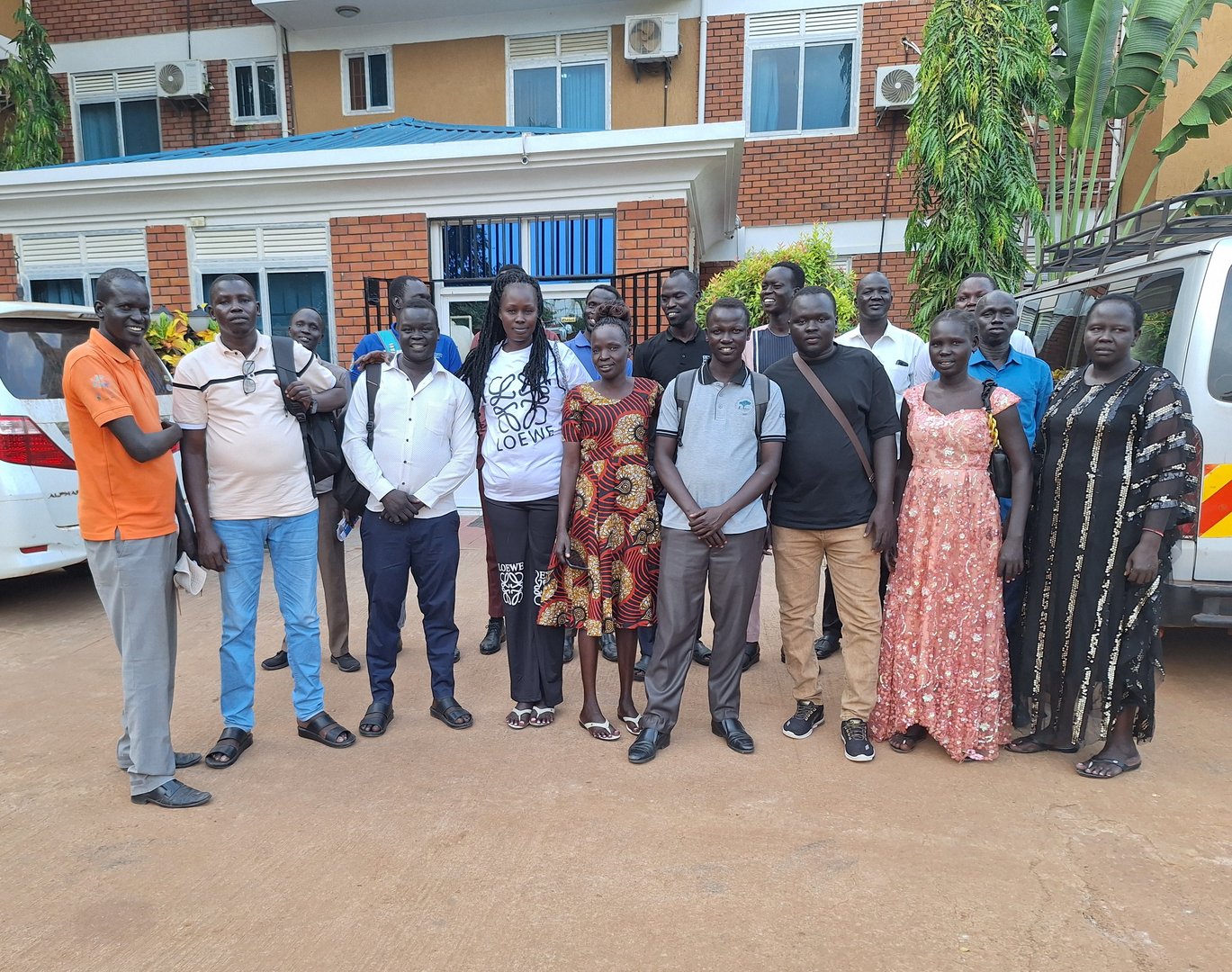
The BeThere Research Assistants and the Research Coordinator during data collection activities
Did you encounter any unexpected challenges during data collection? How did your team navigate it, and what advice would you offer to other researchers working in similar contexts?
Adaptability and quick problem-solving were important skills. In some locations, children and caregivers were not immediately available to interact with due to school schedules, frequent insecurity, or flooding that caused displacement. Additionally, we observed initial hesitation to participate in the research, especially from caregivers who were unfamiliar with formal research procedures. We built trust by engaging community leaders and volunteers before data collection, explaining the purpose of our research and our plan to ensure the confidentiality and safety of children by creating child-friendly spaces for the interviews. Flexible scheduling and repeated visits allowed us to reach participants without disrupting their daily routines. Additionally, some research locations lacked electricity or internet connectivity, which made us switch to traditional data collection methods instead of digital data collection.
Interacting with children who experienced significant traumas was emotionally challenging for our team members. Listening to their stories made us empathise with them and created this urgency to provide them with the right support. This might be a significant emotional burden for researchers working in conflict or war-affected contexts. As a team, we connected with each other through regular debriefing sessions to support each other emotionally.
My advice for other researchers is to always prioritise safety and ethics by conducting proper risk assessments while simultaneously engaging early with communities to build the trust necessary for accurate data collection. I have found success by remaining highly flexible and planning for every contingency, recognising that providing support to team members and being adaptable are the ultimate keys to navigating unexpected challenges in a complex environment without compromising ethical standards.
When you introduced the research to children, caregivers, and parents, was there excitement or reluctance to participate?
Most children were curious and eager to participate, particularly when the introduction was made in a child-friendly and engaging way, such as using drawings, storytelling, or interactive discussions. Some children, such as those who experienced trauma or were naturally reserved, displayed shyness or hesitation at first. A supportive presence and gentle reassurance of their safety through a safe and private space helped them feel more comfortable.
Among caregivers and parents, reactions were more varied. Many were cooperative and interested in supporting their children’s participation, particularly when the purpose, confidentiality, and potential benefits of the research were clearly explained. However, in certain cases, there was initial reluctance or scepticism, often due to previous negative experiences with international organisations, around sharing sensitive information or concerns about their children’s safety and wellbeing. We addressed these by engaging people who were trusted in the community.
Overall, while excitement was evident among participants, especially children, establishing trust and ensuring cultural sensitivity were crucial for addressing reluctance and fostering meaningful participation. The experience reinforced the importance of clear communication, empathy, and engaging the community in the process of humanitarian research.
Could you share with us some reflections of parents and caregivers who participated in the research?
Throughout the study, they provided rich reflections that offered insights into both the challenges their children face and their own experiences in raising children under such difficult circumstances. While there was initial hesitance, many caregivers expressed appreciation for being included in the research, stating that sharing their unique perspectives and experiences is usually a rare opportunity.
Some caregivers highlighted that participating in the research made them feel like their voices and experiences mattered. They also reflected on how the research process allowed them to better understand their children's emotional experiences. They noted that they observed their children being more willing to share their feelings, fears and experiences with the research team rather than with themselves at home, which helped them identify where additional support was needed. Their feedback highlighted the resilience, insight, and commitment of families to protecting and nurturing their children, even under such difficult circumstances.

Research Assistants in the field
Can you share a particularly memorable story about a person, a child, or a parent you met during data collection?
In a displacement camp on the edge of a conflict zone, we met Mary, a resilient 12-year-old girl, her mother, and her three younger siblings. Mary had been forced to take on the role of caregiver after her father was killed, leading the family to flee their village. She impressed the team with her quiet maturity, diligently managing the family's daily survival; collecting water, queuing for food, and helping her siblings to study despite the immense hardships. Yet, during all this adversity, Mary harboured a powerful dream: to become a teacher so she could help other children learn, even those without access to books or schools. Her determination and extraordinary hope, coupled with her mother's perseverance, embodied the quiet strength the team witnessed in countless families.
Mary’s mother later spoke to the team, describing the challenges of raising children alone in displacement, admitting that she often went hungry so her children could eat. Her most poignant observation was that while people often bring material aid like food and clothes, the BeThere research team was the first to simply listen to their story. For her, participating in the research was a deeply validating experience, making her feel heard and valued as a parent fiercely protecting her children under impossible conditions. This highlighted that the most meaningful contribution of the research was not just gathering data but creating a crucial space for voices that are systematically marginalised.
This encounter left a profound impact on the entire team, serving as a powerful reminder that behind the overwhelming statistics of a humanitarian crisis are individual stories of profound loss, unwavering resilience, and enduring hope. Mary’s aspiration and her mother's strength reinforced the critical importance of conducting research with deep empathy, patience, and respect for the participants' reality. Ultimately, this experience reaffirmed that the true value of data collection in humanitarian contexts lies in honouring the dignity of those who endure, while amplifying the unheard aspirations and struggles of families striving to nurture a better future for themselves amidst ongoing adversity.
What were the most important ethical considerations your team had to address, and what is your key recommendation to other researchers for protecting vulnerable participants during research in a conflict-affected setting?
Operating within a sensitive, high-risk humanitarian environment, the BeThere data collection demanded that ethical considerations take precedence to protect all participants, particularly vulnerable children and caregivers. Key priorities included securing informed consent and assent, ensuring participants including children fully understood the research, and their right to withdraw at any time. Furthermore, the team strongly safeguarded privacy by conducting interviews in safe, private spaces, anonymising all data, and strictly avoiding identifiable information that could expose participants to harm or stigma. This adherence to the "Do No Harm" principle was coupled with a robust referral system connecting participants in distress with local child protection and psychosocial support actors, alongside careful training to ensure researchers could recognize and respond to signs of emotional discomfort.
A crucial dimension of the team’s ethical framework involved understanding and respecting local norms, traditions, and gender dynamics. This was achieved through early engagement with community leaders and caregivers, which built trust and ensured that discussions, especially those involving women and children, were conducted in a culturally appropriate manner that upheld their dignity. The team also considered the safety and mental health of the research staff as an ethical priority, providing security briefings, regular psychosocial support, and encouragement for debriefing to process the emotionally demanding nature of hearing difficult stories. Ultimately, this approach demonstrated that successful field research in these contexts requires prioritising safety, respecting cultural norms, and navigating complex social dynamics.
For researchers working in similar high-risk humanitarian contexts, the most critical recommendation is to prioritise the protection, dignity, and agency of participants over the sheer objective of data collection. This involves designing research tools and processes that are trauma-informed and non-triggering and engaging local stakeholders early to build trust and establish safe referral mechanisms. It is essential to train field researchers in ethical interviewing and psychosocial first aid, always ensuring voluntary participation with the freedom to skip questions or withdraw from the study. In these challenging environments, ethical integrity is profoundly more valuable than the volume of data collected, underscoring that research must not only generate evidence and knowledge but also fundamentally uphold the humanity and safety of those whose experiences are being shared.