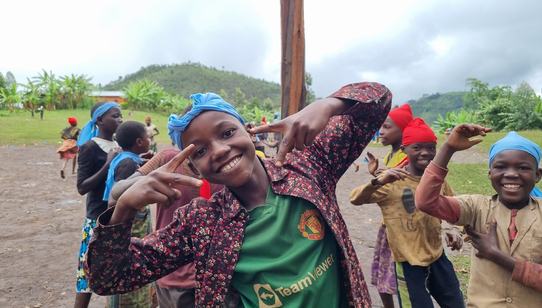
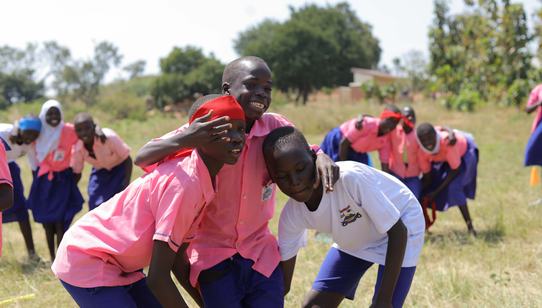
The power of play: an evidence-based approach to supporting children’s development
June 11, 2026
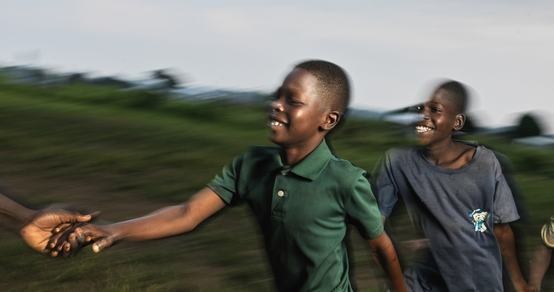
Why play is not “just play”
Despite growing conversations about the power of play many of us underestimate it, War Child Research Coordinator Yara Sleiman explains:
“Many people still see play as a waste of time or as a reward after school is done - “You finished your homework, now you can play.”
Even in many countries, play is often limited to short breaks, while the rest of the day is structured around academic work.
However, play has a deep and significant impact on children’s cognitive, emotional, and social development. Through play, children interact, build relationships, move their bodies, solve problems, and develop critical thinking skills.
Even simple games encourage collaboration, strategy, and learning.
Research can be key to shifting this perspective. At War Child, we have developed and implemented several methodologies that use play as a core component and have conducted rigorous research to ensure they grounded in evidence – not theory.
For example, TeamUp - a movement and play-based methodology - has been scientifically proven to improve the mental health and psychosocial wellbeing of children affected by conflict.”
What is the Play-Based Study?
The Play-Based Study is a two-year research project funded by theLEGO Foundation that aims to develop a play-based, family-based methodology to support children affected by war who have behavioural challenges, with the ultimate goal to support their wellbeing and development over time - both mentally and socially. Yara is leading the Lebanon portion of the research.
"Play-based” means that play is the primary tool for learning and engagement used in the method. This could include games, arts and crafts, or other forms of structured play, depending on what the data shows to be most beneficial for children.
“Family-based” means that the child is not treated in isolation; parents are actively involved in the process so that the whole family unit benefits from the programme.
The role of environment and parents
Environment plays a major role in shaping a child’s behaviour. It can either support their wellbeing or contribute to further challenges.
Some children may already be predisposed to conditions such as ADHD, face difficult living conditions, or have an unengaged parent struggling with their own mental health issues.
When early signs are missed or not addressed, challenges may become more severe over time. That is why our first step is to break stigma and raise awareness among caregivers. We aim to help them recognise early signs, respond appropriately, and become more involved in their child’s development.
Our new project is play-based but, most importantly, family-based. Parents will be central to the process, because when they are engaged, meaningful improvements begin to emerge.
Yara’s message to parents is this: you are not alone.
“It is okay to feel overwhelmed, and you are not alone. Many families, especially in contexts affected by conflict, economic hardship, and instability, face similar challenges.
But support exists. Many organisations provide programmes that can help both caregivers and children. It is important to seek knowledge, understand your child’s needs, and stay engaged. Awareness and understanding are key steps toward meaningful support and long-term improvement.”
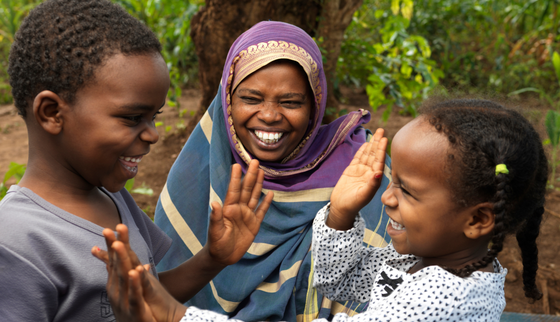
Family-based methods bring caregivers into the activities and programmes
How research translates into impact
“Our work is always based on evidence—not assumptions,” explains Yara.
“The Play-Based Study project is in its formative research phase. This means that we are currently conducting data collection: speaking to parents, teachers, caregivers, mental health specialists, psychologists, and social workers, to learn about the daily behavourial challenges they currently face at home and at work. The evidence from this research will help guide the design of the methodology.
The next step will be to test the method with a small group of families to refine and improve it. We use a structured measurement framework, including pre- and post-assessments, to track changes in behaviours such as hyperactivity or emotional regulation.
This is how we scientifically validate our results, to ensure the best possible outcomes for children affected by war.”
Yara explains that seeing results is incredibly motivating.
"During a visit to Tripoli, I interviewed children who had participated in the TeamUp programme. Their excitement was immediate - their eyes lit up when they heard about it, and they expressed a strong desire to participate again. This shows the lasting impact of such methodologies.
When we implement these programmes, we are not just offering an activity - we are providing children with meaningful experiences that stay with them for life.”
Yara’s message for International Day of Play
“Don’t underestimate the power of play.
Play is not a waste of time. It is a highly productive and beneficial part of a child’s development. More researchers, practitioners, and organisations need to invest in this area and recognise its importance.
Play supports mental health, cognitive development, and social skills. It helps children think better, interact more effectively, and develop healthy forms of competition and cooperation.
Children need movement, interaction, and meaningful engagement - not only discipline and academic pressure.
Importantly, the benefits of play extend beyond childhood, positively influencing adulthood as well.”
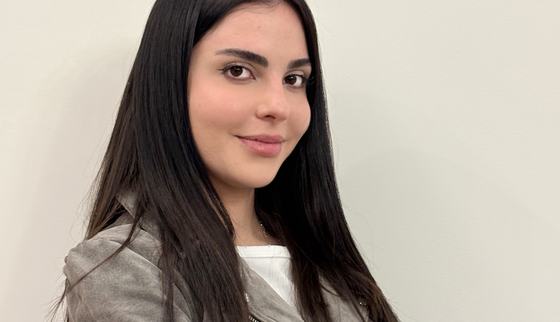
Yara Sleiman is a Research Coordinator for War Child in Lebanon
Yara Sleiman is a Research Coordinator for War Child in Lebanon, with 6 years of research and humanitarian experience and a master's degree in public health. She has a passion for data, and connecting knowledge, theory and evidence with real-world implementation to directly help communities affected by economic hardships, displacement, and war.