Space to breathe – TeamUp and BeThere in Democratic Republic of Congo
March 18, 2026
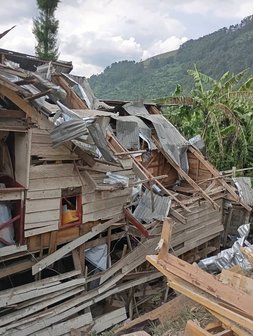
When armed groups gained control in the Masisi Territory in January 2025, the lives of the community were turned upside down overnight. Families fled in different directions; displacement sites were dismantled, schools closed, and many children found themselves with nothing but the clothes on their backs.
A weight on children’s shoulders
TeamUp facilitators Patrick, Solei, and Lubuto recall how this abrupt disruption affected the mental wellbeing and behaviour of the children they support.
“In those first days, the children were extremely tense. Many were jumpy at any loud noise, some refused to separate from their parents, and others responded with anger or fights to the smallest provocation. Sleep problems, nightmares, bedwetting, and constant fear were very common."
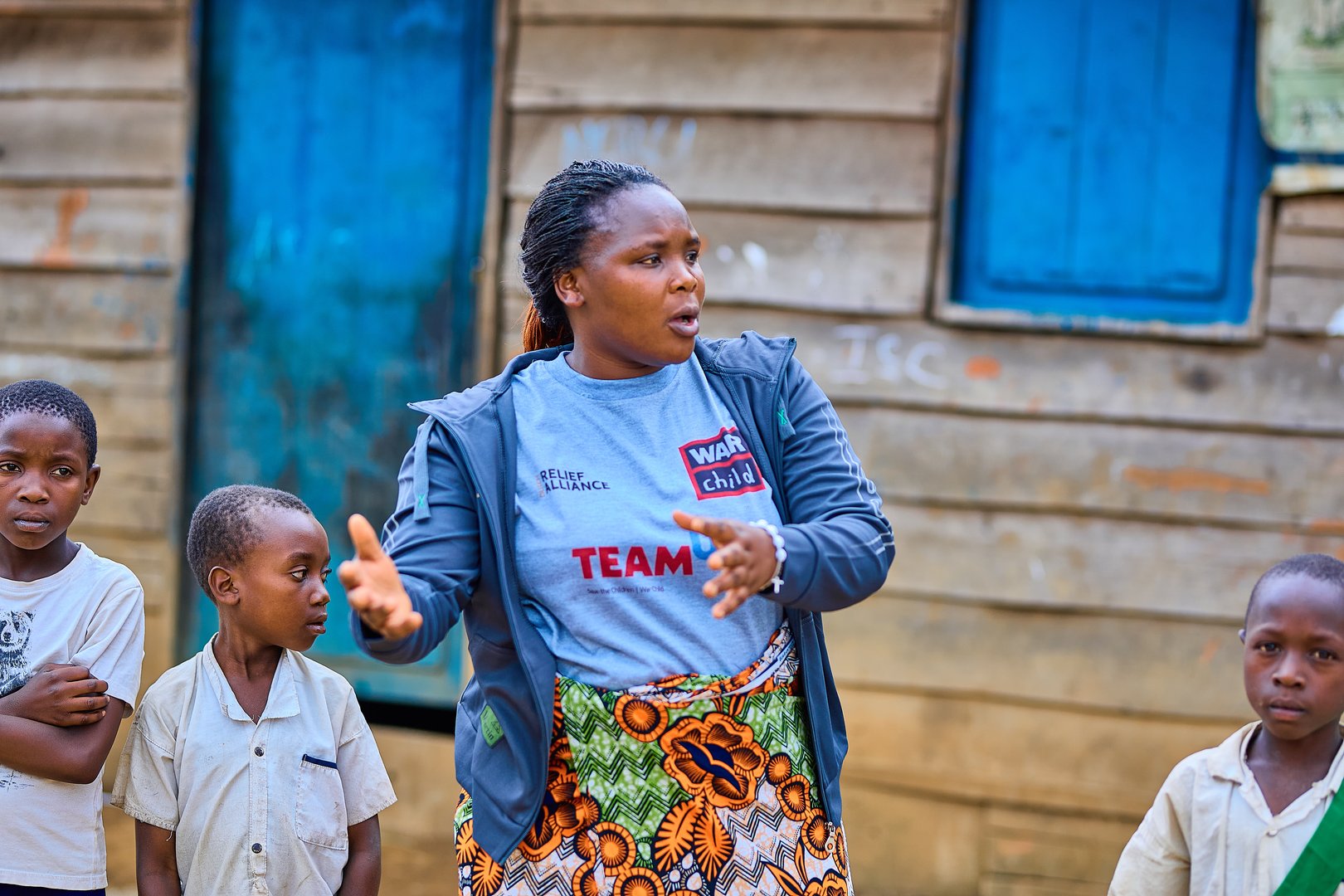
Primary school teacher Cécile recalls how displaced children struggled in their new environment.
Primary schools, including the one where Cécile and Eric teach welcomed numerous displaced children into their already overcrowded classrooms after conflict broke out. But the transition was not a smooth one.
“Even when the bell rings to end lessons, many of these children prefer to stay on the school grounds rather than return immediately to the difficult conditions in which they live. Small disagreements over balls, jerrycans or places in the queue often turned into fights. Many IDP children did not join games with host students; they stood on the side, watching silently or leaving school alone. As teachers, we could see that the weight of displacement and fear followed them even after lessons, and we had few tools to change that.”
Recruitment – a growing risk for children
With many schools closed and the traumatic sound of gunshots echoing in their ears, children felt alone and hopeless. As the conflict deepened, armed groups began moving through nearby villages, promising food, security, and identity to boys like 16-year-old Muhindo. Some of Muhindo’s friends joined, drawn by the illusion of power. He hesitated but felt the pull; hunger gnawed at his stomach, and the words of the recruiters - “You’ll have a gun, and people will respect you” - played on his mind.
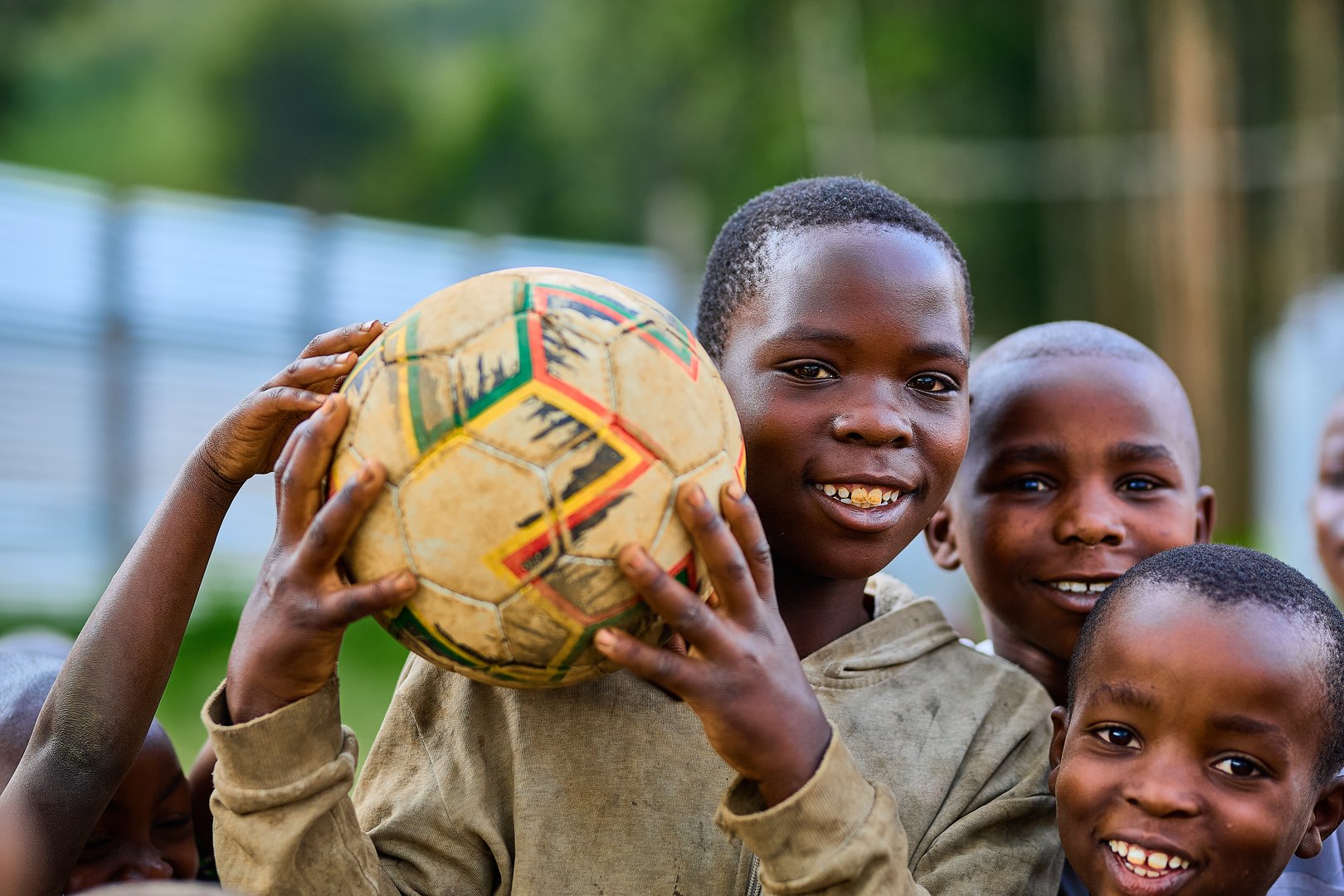
Muhindo (16) considered joining an armed group to find a sense of community and power.
Mbonyui, another 16-year-old boy, also felt his options slipping away.
“I felt very alone, I could not easily talk to other young people, and I was thinking seriously about leaving school to join an armed group or go to the Rubaya mining site.”
Caregivers without the strength to care
Parents facing their own mental health battles struggled to provide the support their children needed.
“I was the second wife of my husband, but he abandoned me, and my own family also turned their backs on me, leaving me alone to raise my children in the middle of fear and displacement. The stress was so heavy that I no longer had the strength to care for my children properly, and I often felt angry, exhausted and without hope” says a mother called Mapendo.
Safi, another parent, recalls: “During conflict in Buguri, my life was seriously impacted. I remember armed group fighters coming into my house and stealing all my belongings. After that, my 10 children, me and my husband were stressed, and we lost the meaning of being alive.”
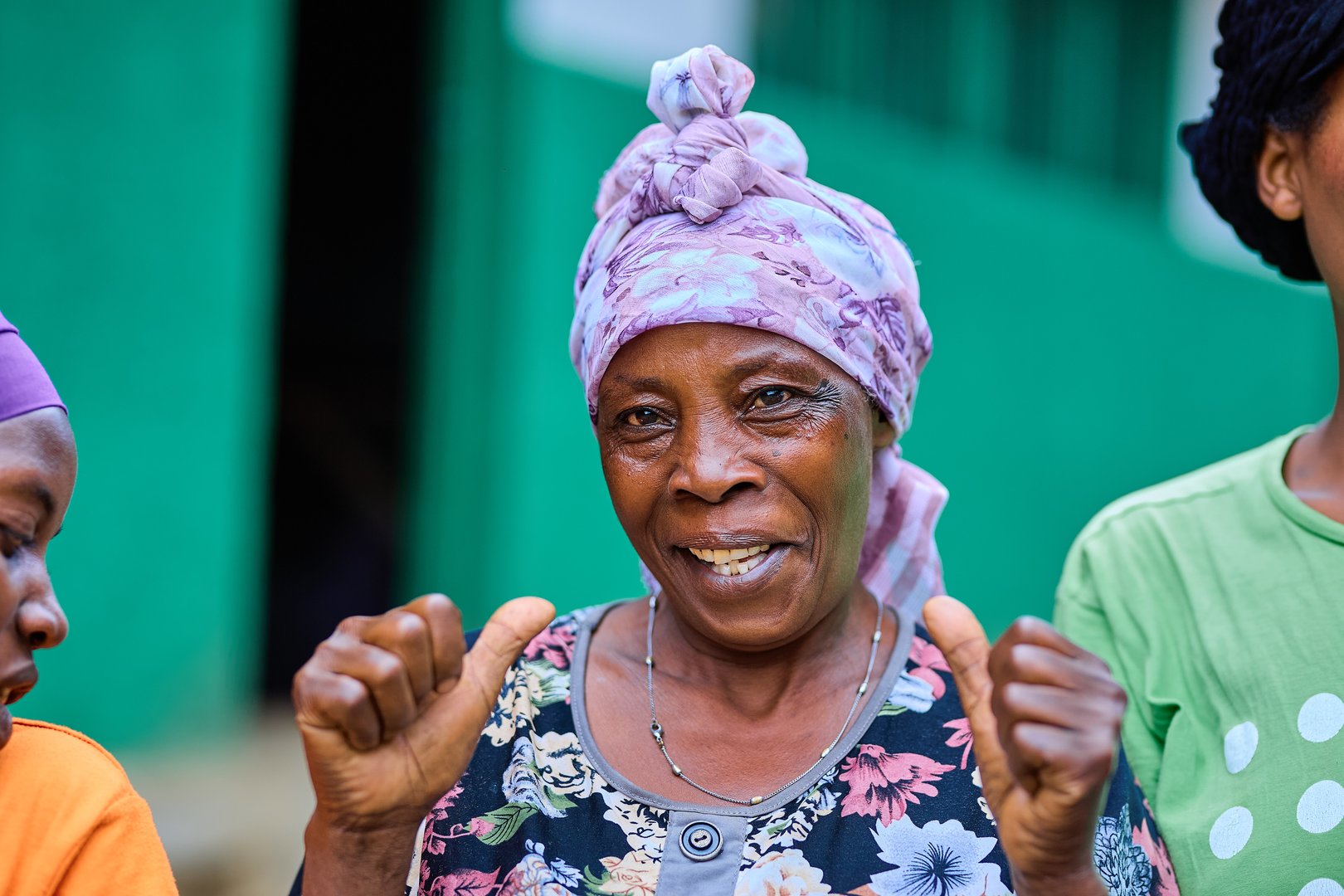
Mapendo (55) didn’t have the strength to care for her 10 children properly after being displaced.
Father of nine Byamungu had all his belongings and livestock stolen by armed groups during the conflict, leaving him without an income to support several of his family members. The stress was so extreme that he was unable to take care of his family.
TeamUp builds hope through play and movement-based activities
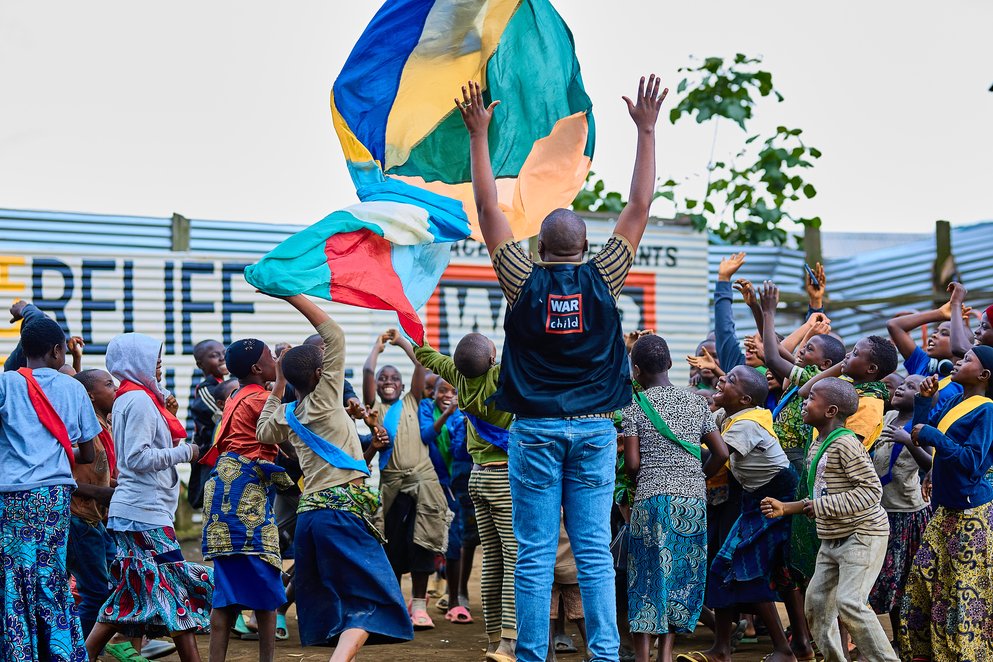
War Child, with support from the Dutch Relief Alliance, launched a project to provide children in Masisi with proven mental health and psychosocial support through the implementation of our evidence-based methodology TeamUp. 6,082 children were reached through the project.
TeamUp is an innovative, non-verbal play and movement-based methodology co-owned by War Child and Save the Children Netherlands. It supports children aged 6 to 18 to cope with stress, heal from trauma, reconnect with their childhood, and grow into healthy and resilient adults.
In alignment with our localisation agenda, we trained local teachers and community members in Masisi on how to implement TeamUp in schools and Child Friendly Spaces.
Facilitators Patrick, Solei, and Lubuto recall that children were apprehensive at first.
“The first sessions were not easy. Some children watched from a distance or clung to older siblings. Others played roughly, pushed or refused to follow rules. We kept the same structure every time - opening ritual, games linked to a theme like safety or cooperation, and a closing moment to calm down - so that children slowly understood that this was their safe space.”

TeamUp facilitators Patrick and Solei.
But after 12 sessions, facilitators Patrick, Solei, and Lubuto noticed the atmosphere was completely different.
“Children who used to stand at the edge now asked, “Facilitator, what are we playing today?” They ran to form circles, helped each other remember the rules, and even invited new children to join. We saw more smiles, more eye contact and more moments where children could laugh freely again.
“Their way of dealing with conflict also changed. Instead of immediately hitting or insulting, many children began to use strategies they had practiced in the games: taking turns, listening, or asking for help from a peer or facilitator. Teachers and caregivers told us that children were more focused in class, more willing to participate, and that some who often cried at night were sleeping better.”
Teachers Cécile and Eric also noted a major change in their students' behaviour.
“IDP and host students mix together more naturally, holding hands and forming teams. Conflicts after class have reduced, because children know they will have time to play in an organised way and they have practiced peaceful ways to solve problems during the games.
“Parents and caregivers have started to notice that their children come back from school more relaxed and talk about the games and friends they have made, instead of only speaking about fear or violence. For us as teachers, seeing children choose to remain at school after class is a powerful indicator that TeamUp is meeting a deep need for safety, belonging and joy.”
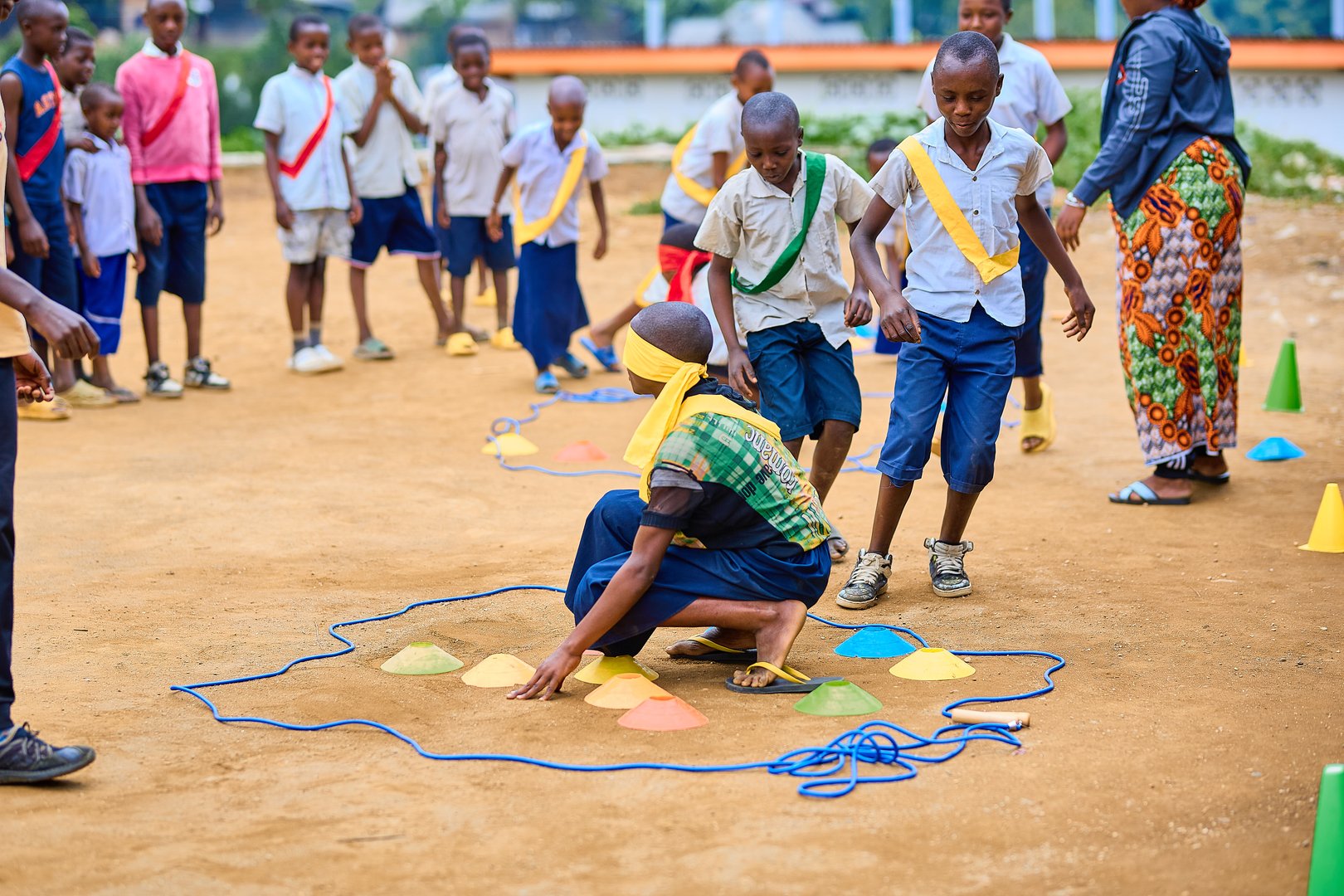
Children participating in a TeamUp session.
Children themselves started to notice the impact of TeamUp on their emotions.
“When I started attending War Child’s TeamUp sessions, I discovered a joyful place where we use movement, games, and simple activities to express our feelings without fear. Little by little, I learned how to deal with my anger and stress, to work with others during the games, and to trust my peers and the facilitators” said Mbongui, 16.
“Since TeamUp sessions started in my community, I decided not to join an armed group or go to the mines, and I chose to continue school and support my grandmother at home. I also became more confident, and I started helping other children during the activities, encouraging them to stay away from dangerous choices like I almost made.”
"We have been moving from one IDP site to another until the dismantle of Sati IDP site where our families lived. We joined TeamUp sessions and helped to be happier and avoid isolation" said Anna (12) and Merveille (13).
BeThere gives caregivers a chance to breathe
Caregivers have also been given a safe space to heal, through the implementation of BeThere sessions as part of the DRA supported project. The BeThere methodology promotes positive parenting practices and gives caregivers the tools to respond with empathy and support their children’s emotional needs. 312 caregivers were reached through the project.
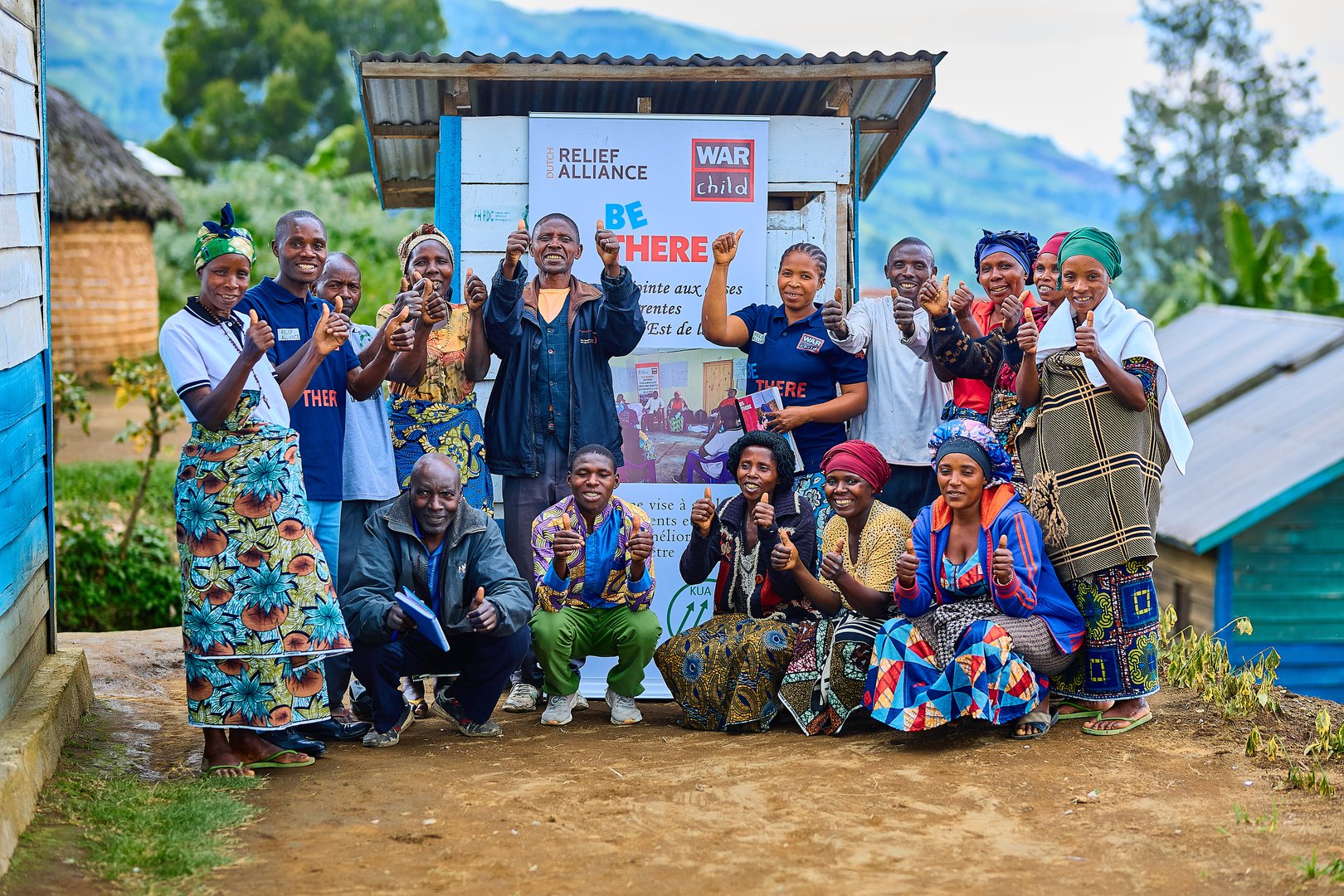
BeThere participants pose for a photo after a session.
For parents like Mapendo, BeThere sessions are a place to talk freely and learn how to quiet a stress filled minds.
“The breathing and relaxation exercises, as well as sharing with other parents who had similar problems, helped me regain confidence and reconnect with my children. Little by little, I started to sleep better, listen more to my children and replace shouting with more positive ways of guiding them.
Today, I feel lighter in my heart and proud of the way I am rebuilding my family, even though the conflict around Masisi continues. I now involve my children in daily routines, talk with them about their fears and encourage them to participate in activities at the Child Friendly Space. For me, Be There has become like a new family of support, where I am no longer just an abandoned second wife, but a strong mother who is learning to protect and nurture her children in the midst of war.”
BeThere takes care of caregivers so that they can take care of their children.
Mother Safi said “When I joined the BeThere sessions, I found it a place where I talked about my fears and stress. I learned how to manage my stress. I love to apply the breath in breath out technique every time I am stressed. Now I take care of my children despite the conflict that is happening in my community.”
The future for Masisi
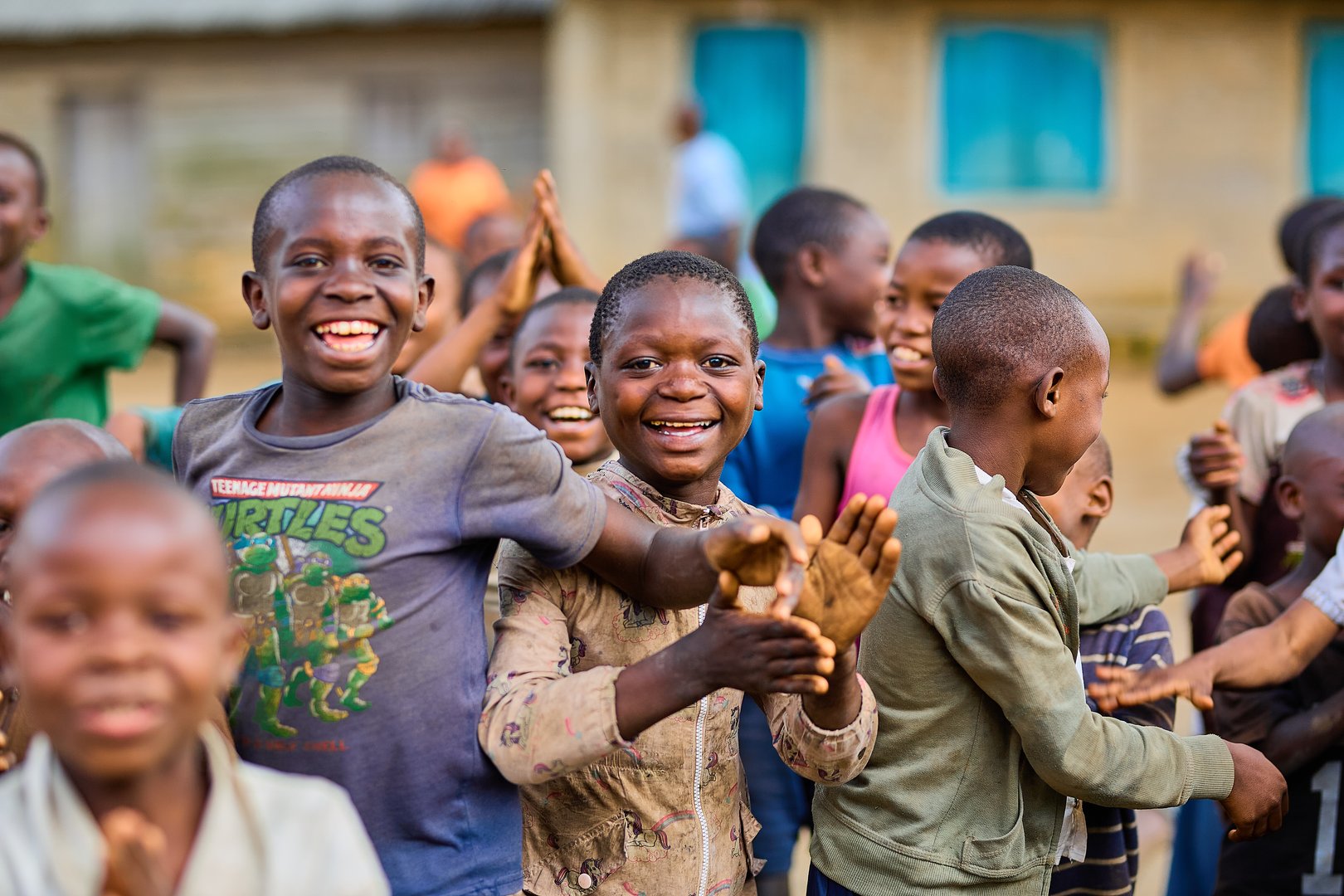
While the situation in Masisi is still uncertain, children now have a regular place where they can go, be listened to, and simply be children again.
“As teachers and facilitators, we feel proud that our classrooms and courtyards have become places where children are not in a hurry to leave, but are willing to stay, play and heal together, even in the middle of conflict.” Cécile and Eric.
War Child Programme Coordinator Aoci Aluta hopes there will be more joy in the future for the familes of Masisi.
“When these children and their families were forced to leave the IDP sites in Buguri, Sati and Kitsule back in January, I saw joy disappear from their faces, replaced by fear and anxiety about an uncertain future amid the ongoing conflict in Masisi. TeamUp sessions have brought joy and hope back to the children, while Be There sessions have strengthened parents’ courage to continue caring for their families despite the current insecurity in Masisi.”