Authors: Alexandra C. E. Bleile, Gabriela V. Koppenol-Gonzalez, Bruce Orech, Katia Verreault & Mark J. D. Jordans
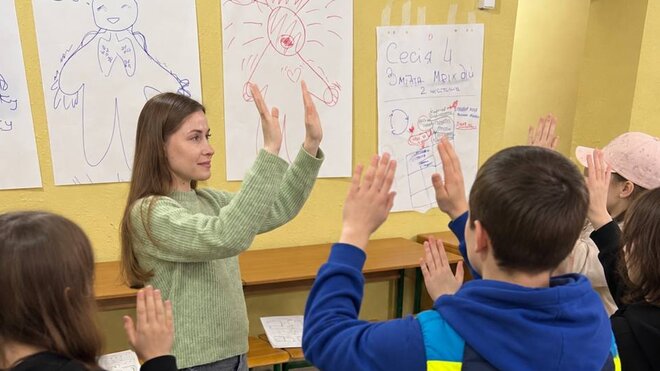
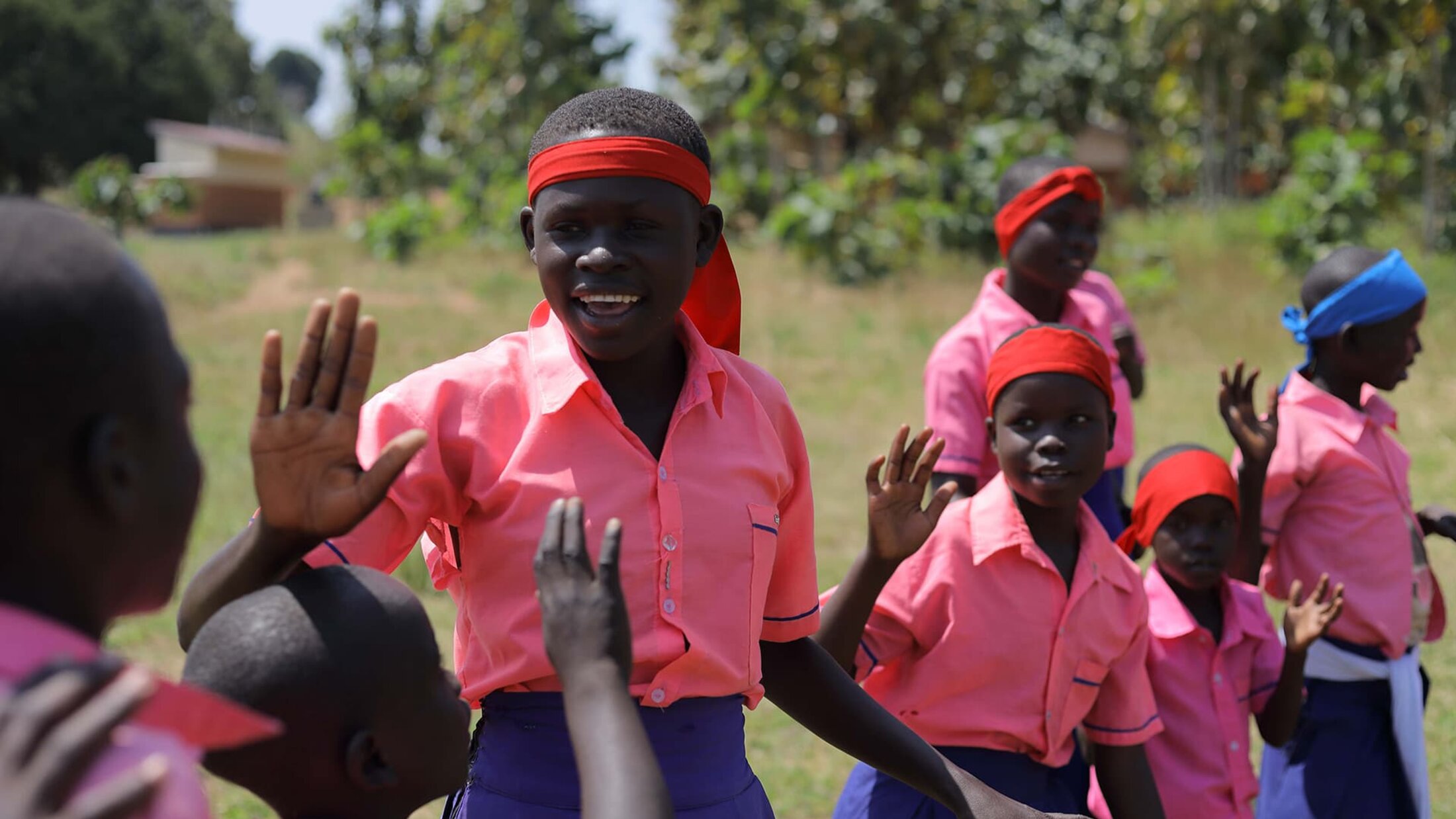
A quasi-experimental study including four schools (two per arm) assessed the outcomes of 10- to 15-year-old South Sudanese and Ugandan children. Randomly allocated, they either participated in up to 11 TeamUp sessions provided by trained facilitators; or belonged to a control group, which continued care as usual. Primary outcomes measured psychosocial wellbeing, friendships and attitude to school; secondary outcomes included traumatic distress, depressive symptoms, quality of life, physical health, bullying, interoceptive awareness, and irritability. Children saw significant improvements in both primary and secondary outcomes. This shows promising results for the intervention, though more research is needed to assess its effectiveness.