Skip to content
  • Mental health and psychosocial support
  • News

Providing evidence-based psychosocial support for Ukraine's children: World Mental Health Day 2026

10 Oct 2026

Every child deserves support, the chance to be heard, and a future they can look to with hope. The Beyond Trauma consortium is providing evidence-based psychosocial and mental health support to children and young people affected by the war in Ukraine.

This World Mental Health Day, we are highlighting the importance of accessible mental health support for children, young people and families in Ukraine whose lives have been changed by war.

“Children in Ukraine need spaces where they can feel safe, be heard and look to the future with hope. Together with local partners, we work to make mental health support accessible to children and those who care for them. Our ambition is for this support to become part of everyday life in their communities,” says Yaroslava Mozghova, Head of Programmes for War Child in Ukraine

This ambition guides the Beyond Trauma consortium’s work across Sumy, Kharkiv, Chernivtsi and Khmelnytskyi regions. The consortium is led by War Child and includes AFEW Ukraine, the Ukrainian Step by Step Foundation, Médecins du Monde Greece and Médecins du Monde Netherlands. Together, we are integrating evidence-based approaches into healthcare facilities and the work of local organisations, while training professionals to support children and families.

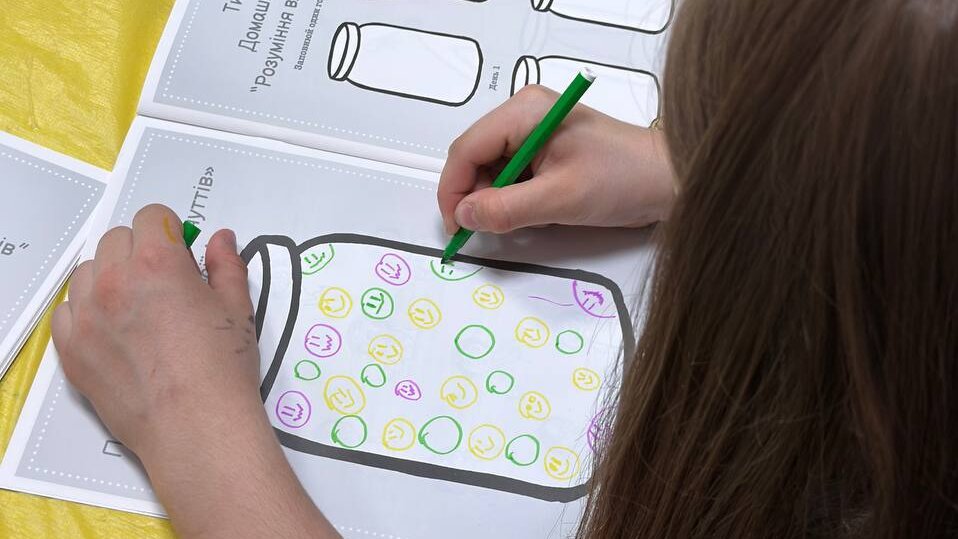
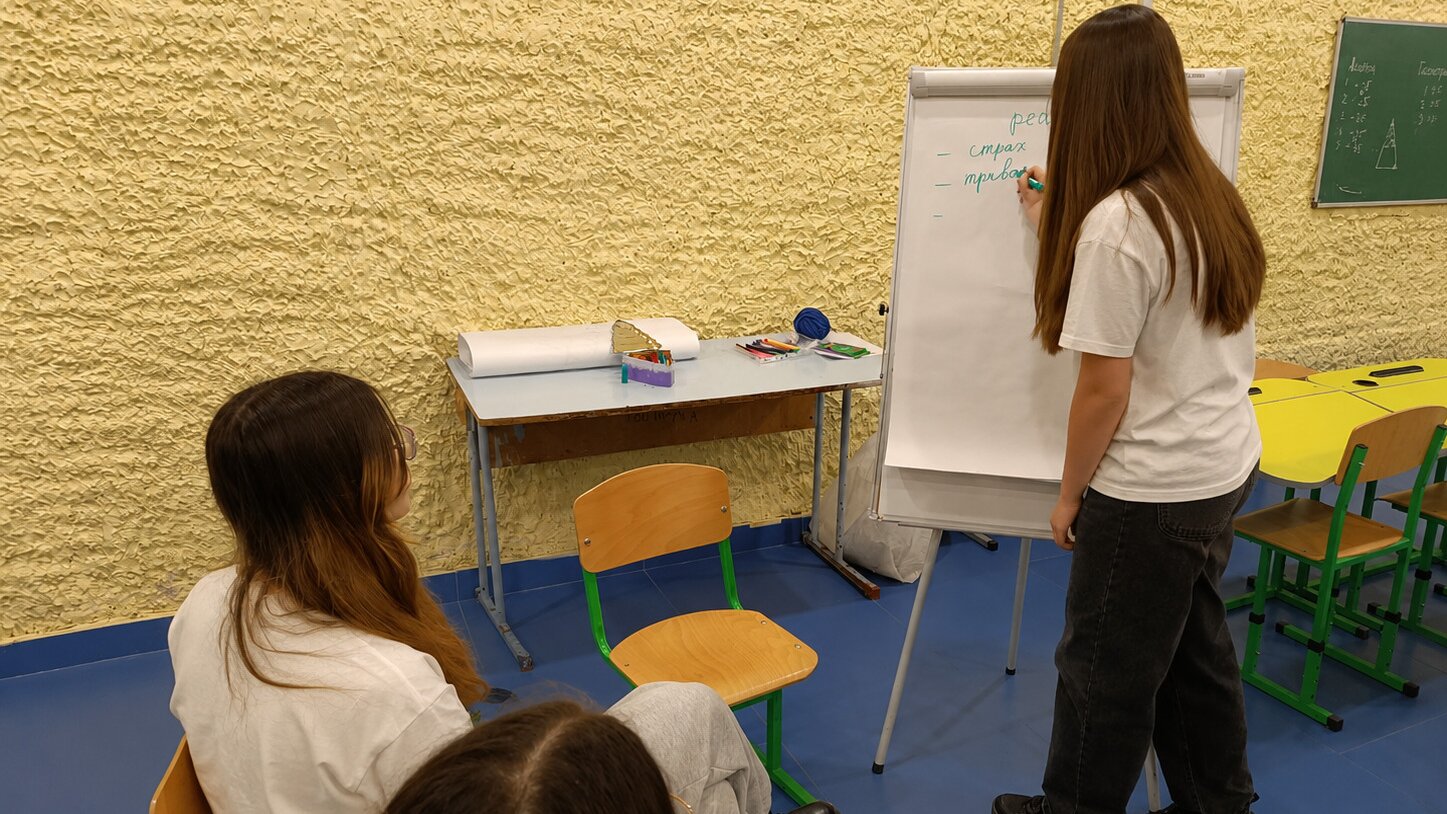
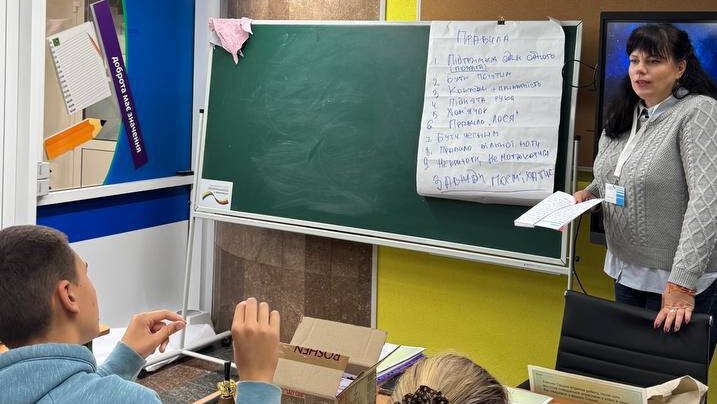
One such approach is EASE, a group-based mental health and psychosocial support intervention for adolescents developed by the World Health Organization - with technical input from War Child. EASE helps young people who have been impacted by conflict to manage their emotions, develop healthy coping strategies, and build resilience.

A total of 262 adolescents have participated in EASE under the project so far. Assessments before and after participation showed that 80.5% of children surveyed experienced a reduction in emotional and behavioural difficulties.
/

Halyna, an EASE facilitator working with young people in Kharkiv, shared a story that stayed with her:

One mother told us about a night when the security situation was particularly difficult. During an air raid alert, she and her son were sheltering in a corridor when he started showing her how to breathe to calm down. For her, it was more than just a breathing exercise. It was a moment when her son was taking care of her emotionally, and that meant a great deal.

The work of the Beyond Trauma consortium is made possible with funding from the Ukraine Partnership Facility (UPF). UPF supports Ukraine’s recovery and sustainable reconstruction. The project titled Beyond Trauma: Scaling Up Community Mental Health Care for Children and Youth at Risk in Ukraine's Conflict Affected Communities, started in May 2024 and will end in April 2027.

As well as implementing EASE, the consortium is also working to provide training to professionals in Ukraine to develop their psychosocial support skills. By working with partner organisations and embedding evidence-based approaches within existing health care services, we can lay the foundations for support to remain accessible for children beyond the project’s lifetime.

We want to thank and acknowledge the professionals, caregivers and communities working every day to protect and support the young people of Ukraine. Our shared goal is for children and families to find support close to home, within their own communities. Caring for children’s mental health is an essential part of Ukraine’s recovery. Today and every day.

Related articles

A community case detection tool to promote help-seeking for mental health care among children and adolescents in Ugandan refugee settlements: a stepped wedge cluster randomised trial
  • Mental health and psychosocial support

A community case detection tool to promote help-seeking for mental health care among children and adolescents in Ugandan refugee settlements: a stepped wedge cluster randomised trial

Strategies to promote mental health care help-seeking among children are needed, especially in lowincome and middle-income countries and in complex settings. The aim of this trial was to compare a vignette-based, community-level, proactive case detection tool (CCDT) against standard awareness raising for promoting mental health help-seeking among children and adolescents.