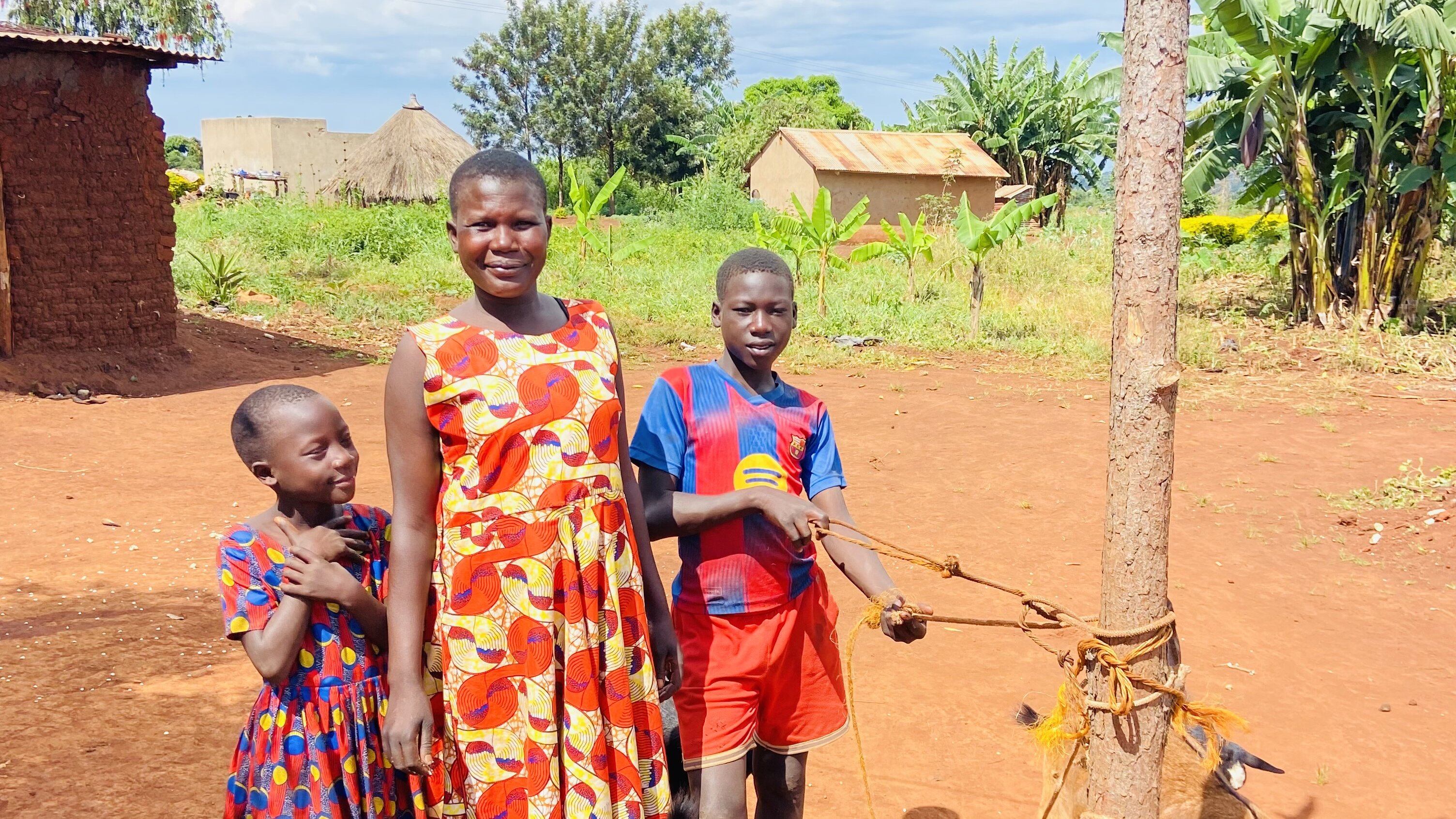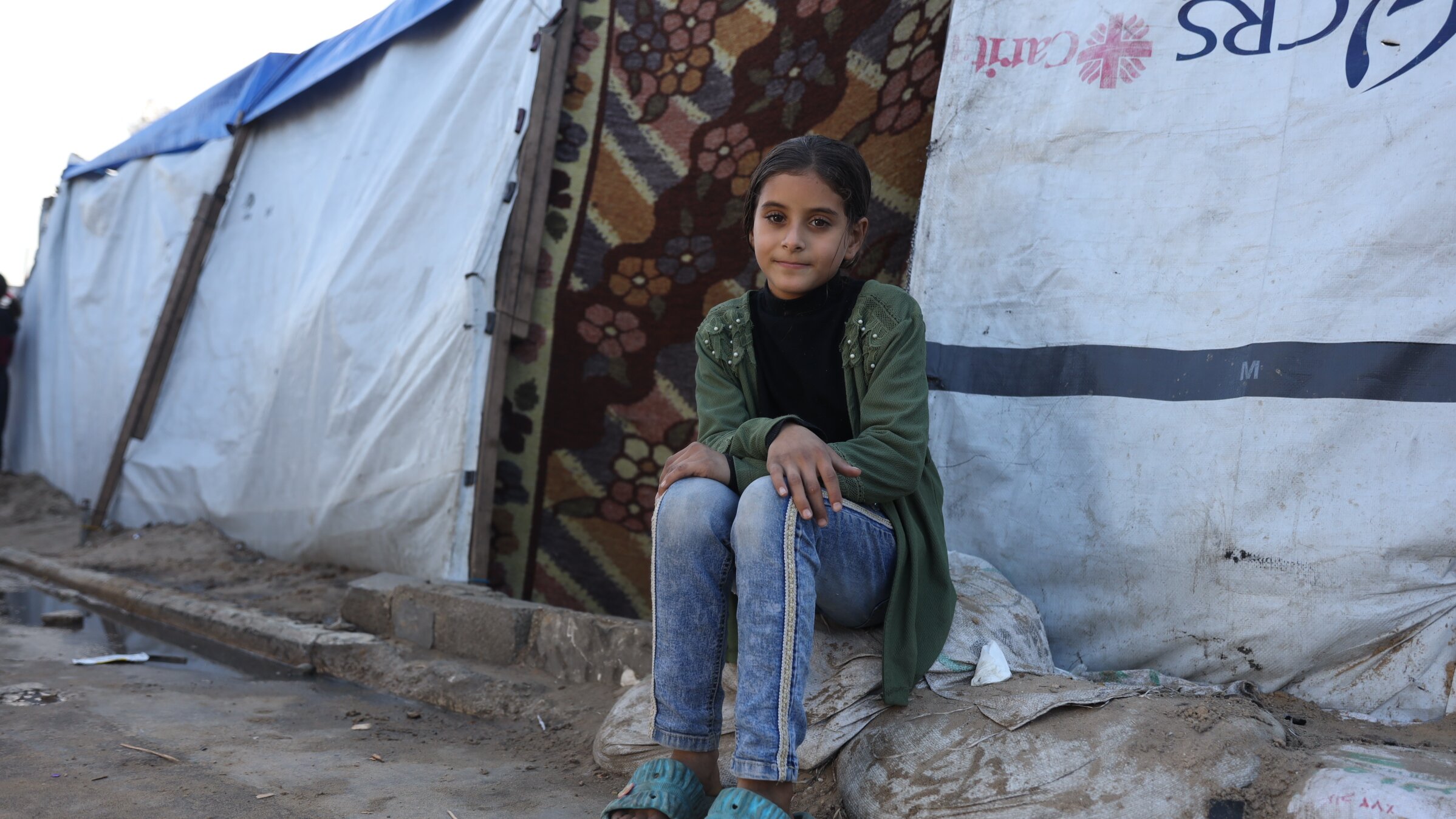
Drawing on Can’t Wait To Learn’s experience supporting learning in crisis-affected settings, the piece explores how digital education programmes can be designed to strengthen education systems, support government priorities, and create lasting impact for children.
The report brings together perspectives from across the global education sector on how to move beyond short-term, fragmented approaches to EdTech and create more equitable, resilient, and effective digital learning ecosystems.
In their contribution, Luke Stannard, Director of Can’t Wait To Learn, and Eszter Nagy, Partnerships Lead, argue that digital learning solutions in emergencies should be designed as public learning infrastructure from the outset, rather than as temporary humanitarian interventions. Drawing on more than 15 years of experience designing, testing and scaling Can’t Wait To Learn across crisis-affected countries, they highlight the importance of government ownership, curriculum alignment, teacher support, accessibility, evidence generation, and long-term sustainability.
Titled “From Aid to Infrastructure: Why Education Technology in Emergencies Must Be Built with Governments”, the think piece brings a fragility, conflict and violence perspective to the report’s discussion on contextual readiness. It demonstrates how digital learning platforms can strengthen education system resilience when they are co-created with governments and embedded within national systems, helping ensure that children’s learning can continue during periods of conflict, displacement, and climate-related disruption.
The full report features contributions from leaders across the digital education sector and explores practical pathways towards more inclusive, trustworthy, and sustainable digital learning. Readers can access the report online or explore its interactive web version to discover key insights across its five thematic sections.
Read the full report to explore insights from leaders across the digital education sector, and discover the Can’t Wait To Learn think piece in Part V.