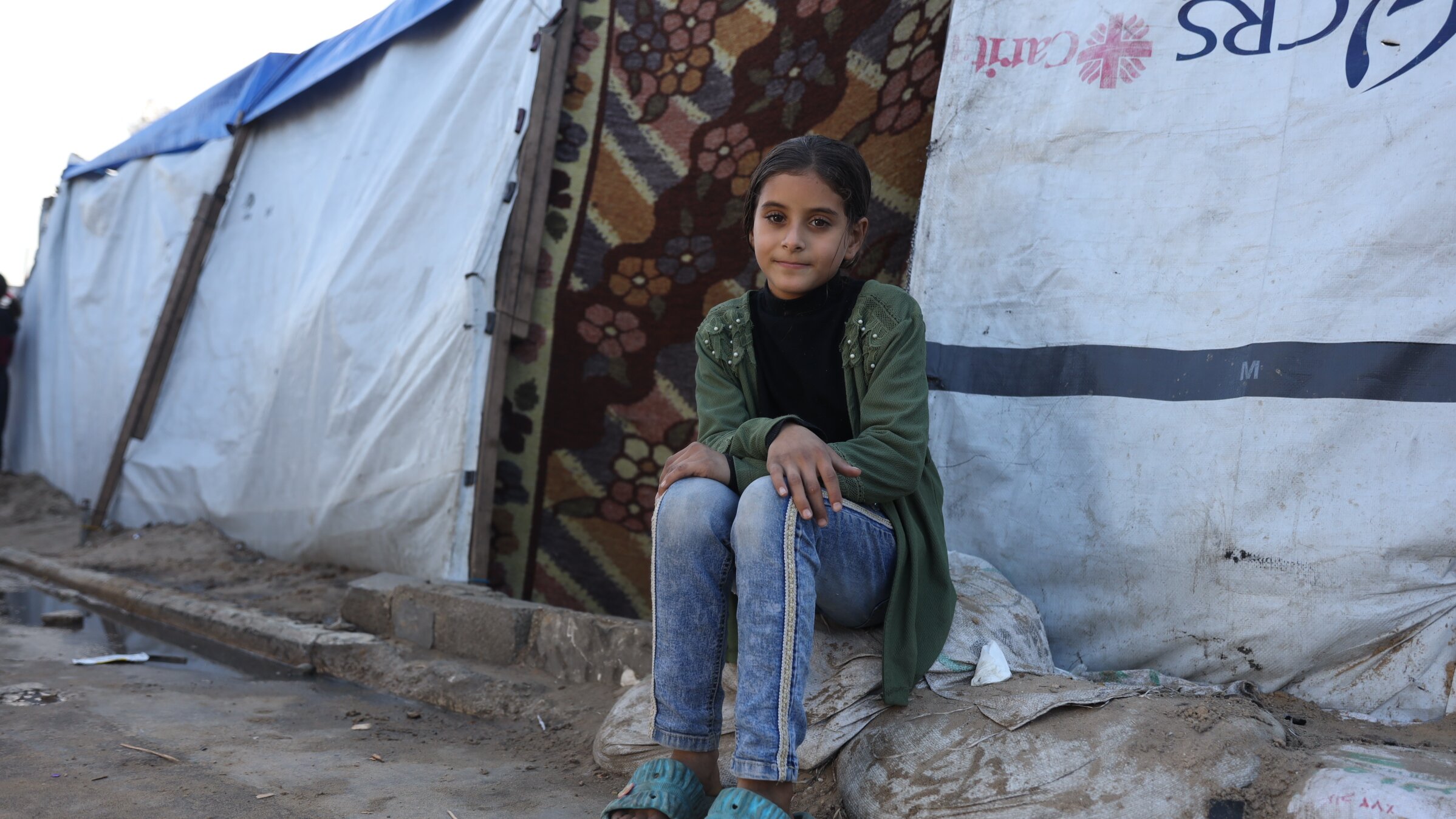
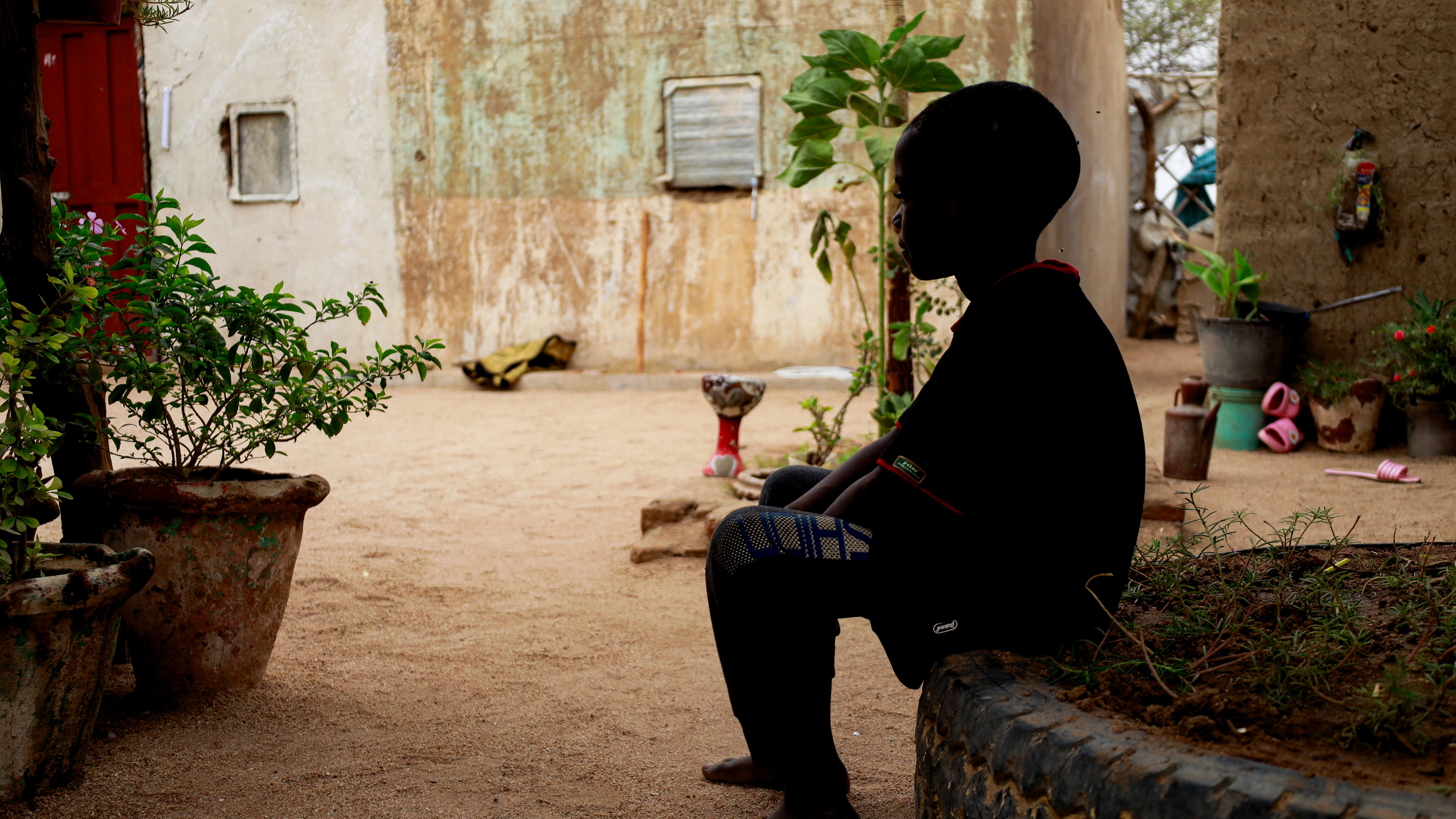
Not so long ago, distance from the battlefield would mean relative safety. But for children growing up in Ukraine, war a normal part of life – no matter how far the fighting is.
Some live close to the frontline, where the threat of violence is immediate and relentless. Others live hundreds of kilometres away but still experience the war through air-raid sirens, missile and drone attacks, displacement, disrupted education and the constant uncertainty of what tomorrow may bring.
The first half of 2026 recorded at least 1,396 civilians killed and 7,978 injured in Ukraine. In July, the highest monthly number of child casualties, 17 children killed and 166 injured, was reported since April 2022. Moreover, the UN recorded a 37% increase in civilian casualties compared with the first half of 2025, driven largely by long-range attacks on urban centres far from the frontline.
Last month, attacks on Kyiv damaged a children's hospital, a school and a kindergarten. For families living far from active ground fighting, distance offers little reassurance when violence can reach the places where children live, learn and play. For millions of children in Ukraine, education has been interrupted. Parents are living with immense stress and uncertainty, affecting their children's own sense of safety and wellbeing.
Some students arrive at school exhausted after nights of air alerts, and teachers often need to understand what a child may have lived through before they can even begin the lesson, “Teachers in Ukraine are increasingly having to respond not only to learning loss, but also to the emotional consequences of years of war,” says Anna Sydoruk, CEO of Osvitoria who has worked with teachers nationwide since 2013.
War has also redrawn children's lives through displacement. More than 2.5 million Ukrainian children, more than one-third of all children in the country, remain displaced. For them, displacement means more than leaving home: it means losing friends, schools, familiar routines and places where they feel safe.
“Even an ordinary lesson on ‘my home’ or ‘my family’ can become difficult for a child who has lost their home or has family members living under occupation,” shares a teacher in Zaporizhzhia who works at Osvitoria, War Child’s partner in Ukraine.
Some have had to start over more than once; others are growing up not knowing when or if they will return home – and even home itself may no longer be safe. More than 20% of Ukraine’s territory may be contaminated by mines and explosive remnants, which have killed or injured 179 children since February 2022.
“This summer feels particularly hard: the accumulated exhaustion, the escalation along the frontline, the regular strikes and deaths, and above all, deaths of children. We see that families do not know which strategy is the right one: to stay at home, to move to another region of Ukraine, or to leave the country altogether. That uncertainty creates its own strain,” Yaroslava Mozghova, War Child’s Head of Programmes in Ukraine, describes the situation.
This is why protecting children during war must mean more than responding when a child is physically injured. It means ensuring that children can access education, psychosocial support, child protection services and safe spaces wherever they are. It means supporting parents, caregivers and teachers, who are often carrying their own immense burdens while trying to create a sense of safety for children.
“We see a demand among families to take part in our BeThere programme and interest among practitioners in our evidence-based methodologies that help sustain affected communities. We see children asking for additional sessions where they can safely live through their emotions and find support among peers. We also see how important it is to keep providing psychosocial support to children, parents and caregivers as well as professionals,” Yaroslava adds.
Humanitarian support can help children cope, keep learning, and provide safe spaces to play and support families under pressure, but it is not keeping pace with rising harm and growing humanitarian needs.
After more than four years of the full-scale war, the risk is no longer defined by proximity to the frontline. Children should not have to measure safety by their distance from the frontline or learn to live with air-raid sirens. Humanitarian funding criteria must reflect today’s changing patterns of risk, not yesterday’s frontline map.
There is a limit to what support can do while violence continues. The UN Security Council and donors must press for accountability over attacks on civilian infrastructure, and fund protective services for health and education facilities in urban areas that are now exposed to long-range strikes. Ultimately, children need something that humanitarian assistance alone cannot provide: an end to violence.
The author
This piece is authored by War Child’s Head of Programmes in Ukraine, Yaroslava Mozghova, and Anna Sydoruk, CEO of Osvitoria, War Child’s partner.