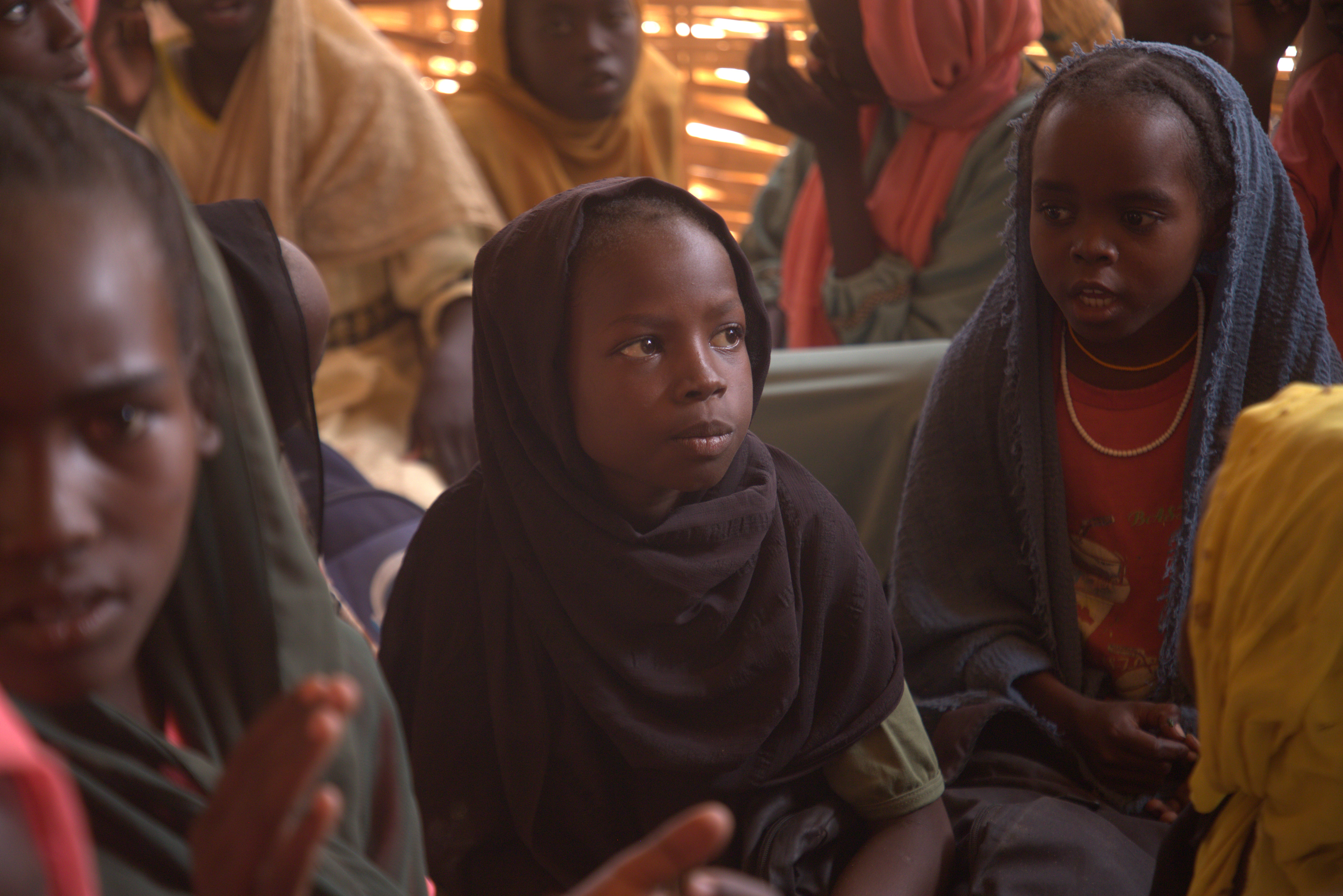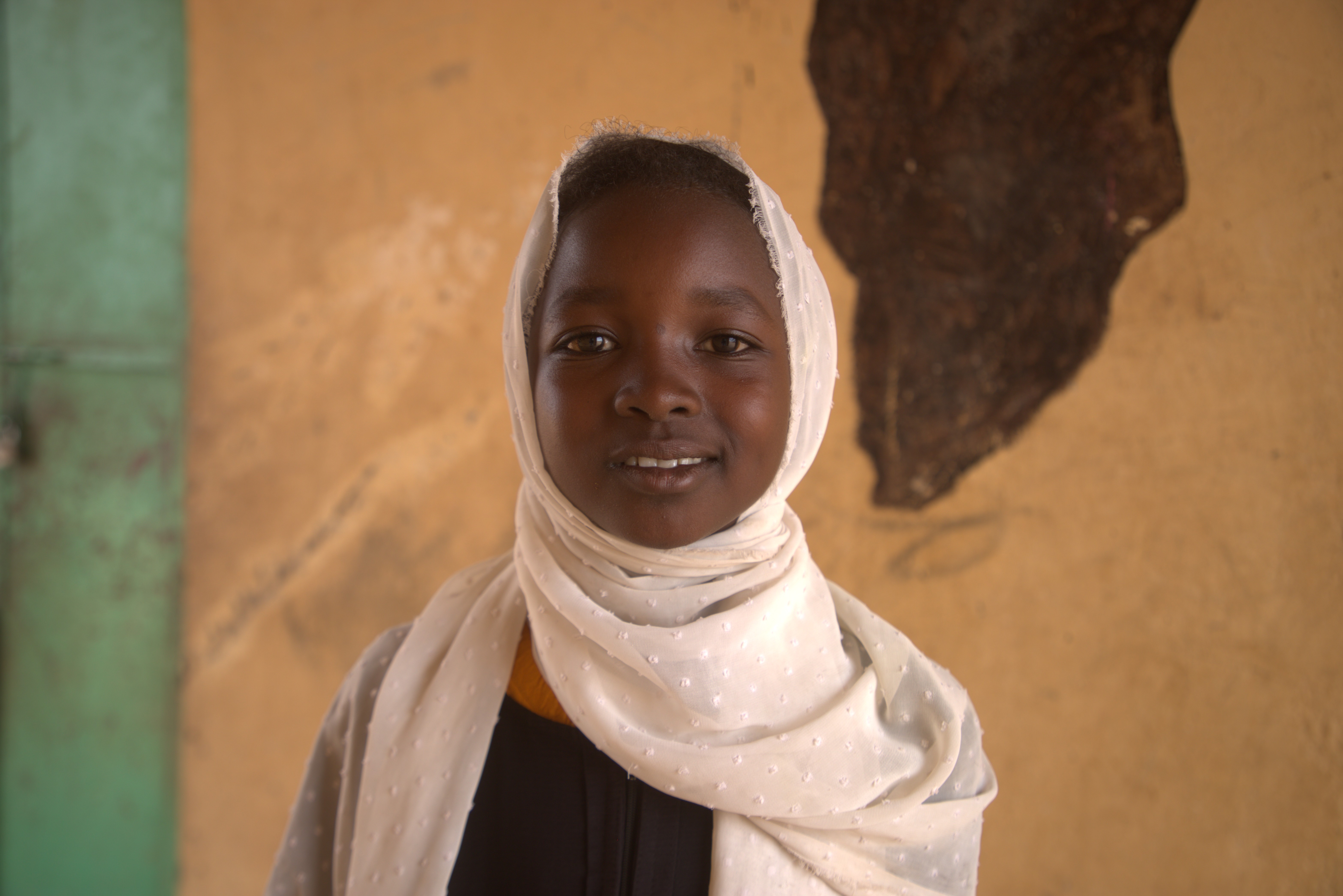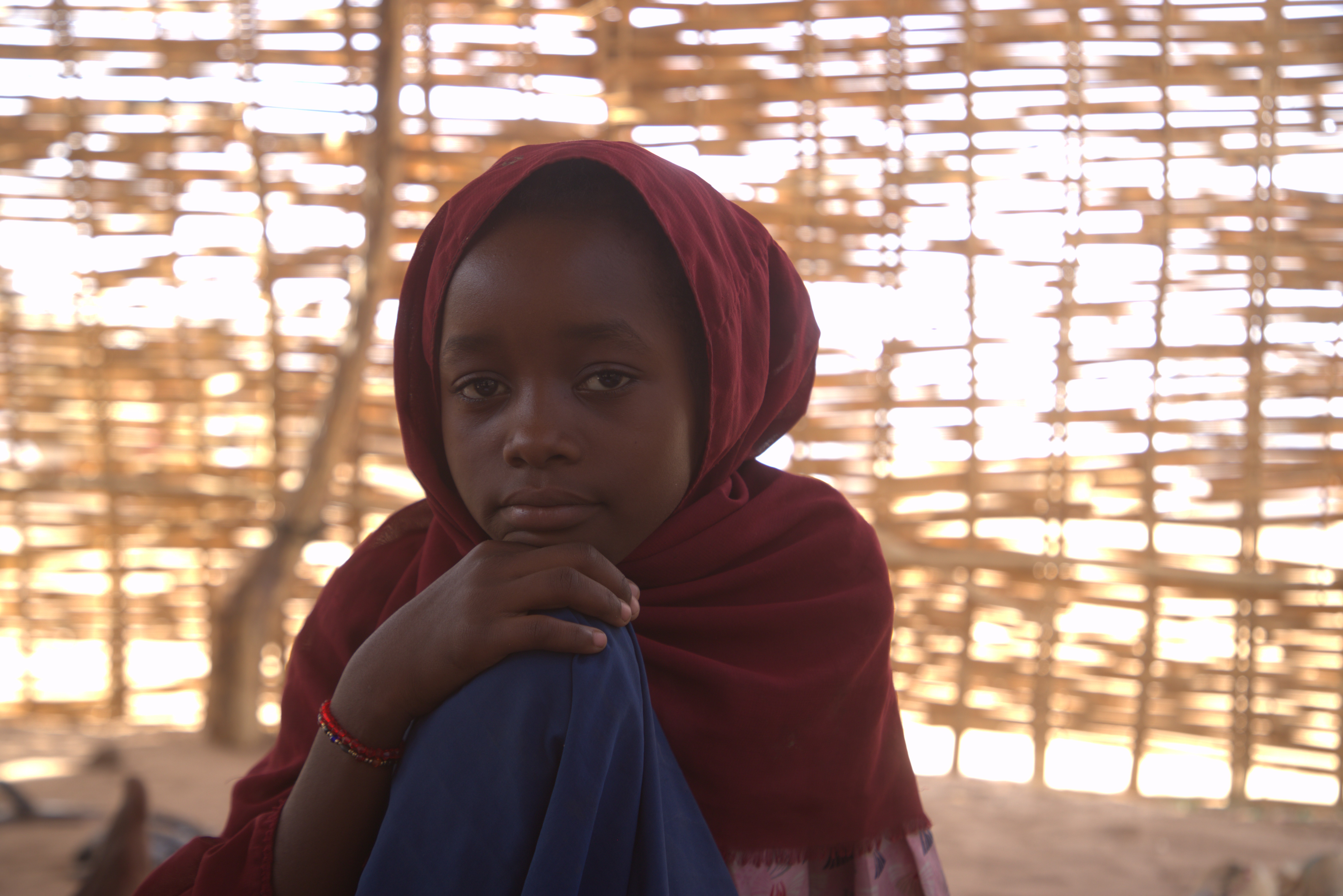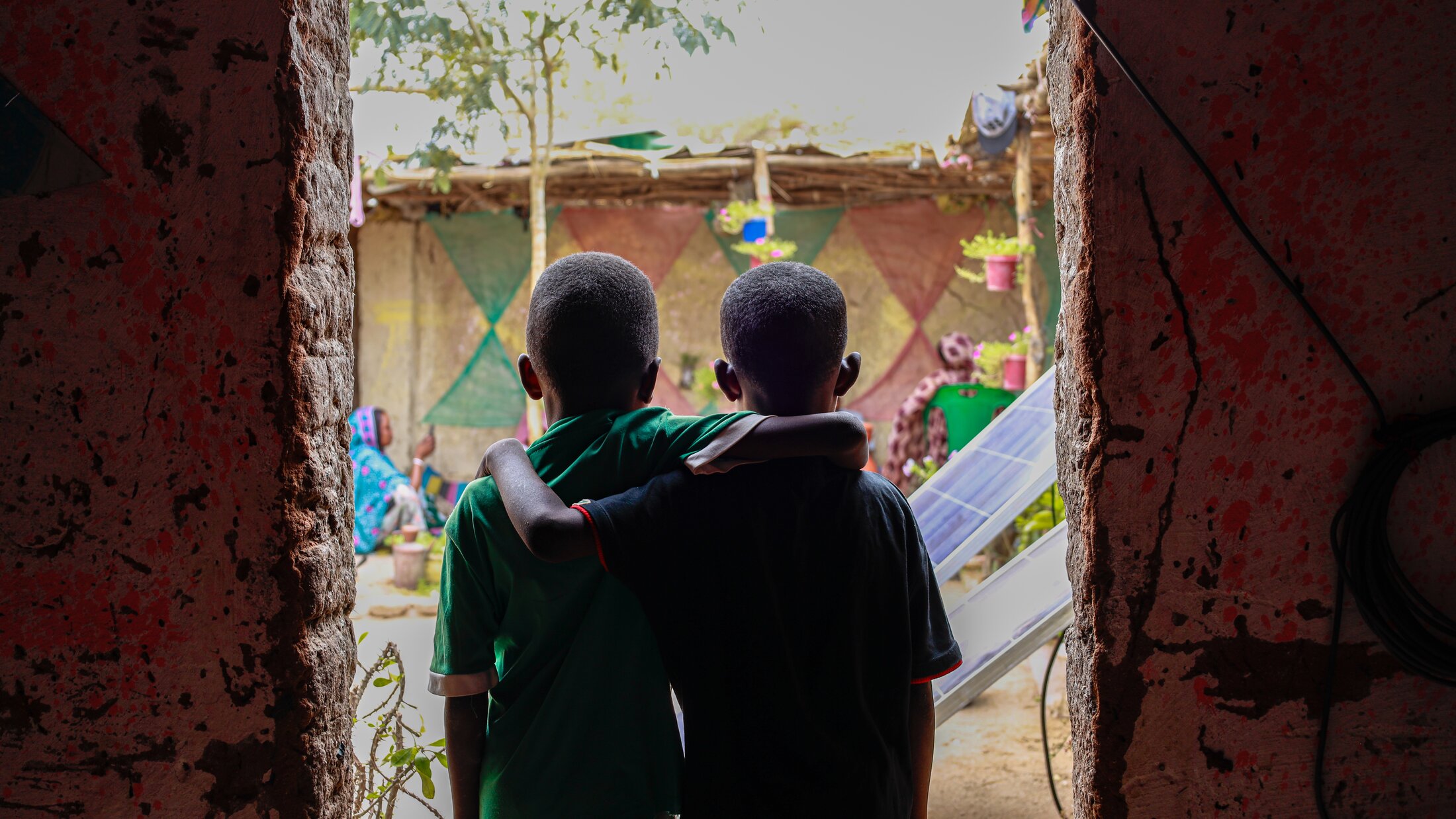
Somewhere in Tawila, North Darfur, a girl looks at a blackboard and smiles before the lesson has even started.
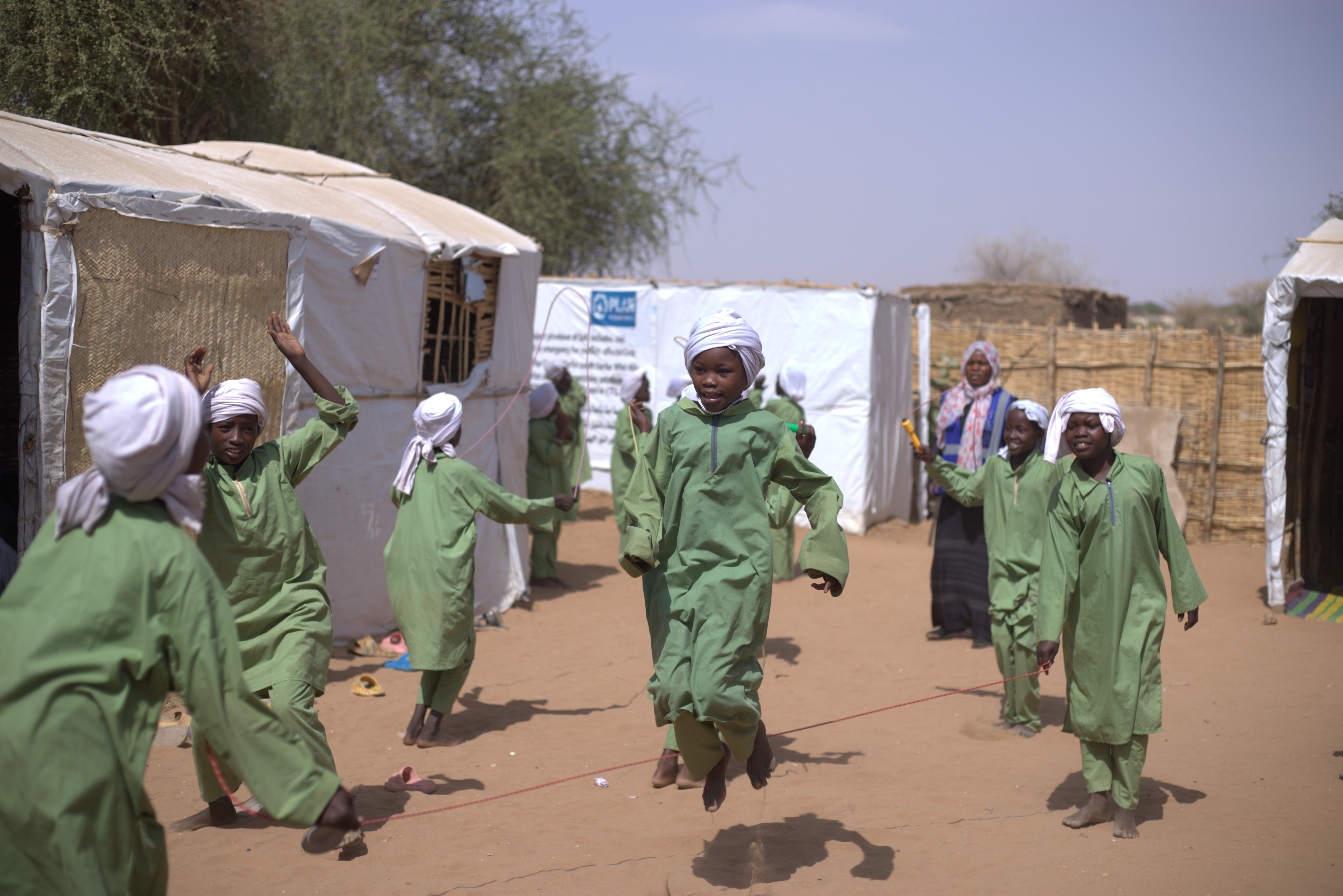
“Just seeing the blackboard inside the classroom makes me smile instantly,” she says. “Being here makes me incredibly happy.” At the Child Friendly Space she attends, Maysam reads, skips rope and picks flowers with her friends Zuhal* and Muzdalifa*.
Tawila now hosts more than 700,000 people displaced by conflict, placing enormous pressure on already limited services. Yet within its learning spaces, children are finding opportunities to return to the familiar routines of learning, friendship and play.
At another learning space in Tawila, 14-year-old Esraa notices something different when she arrives. “I feel happy here when I come to school, see the flowers, and meet my friends,” she says. Drawing, volleyball and skipping rope are among the activities she enjoys there.
Across Darfur, the same small details recur in different forms. They matter even more in a region where more than three million of nearly four million school-aged children are out of school. Against that backdrop, the ordinary routines of a school day have taken on greater significance.
The learning spaces are part of an education and protection response supported by the European Union and implemented by the Norwegian Refugee Council (NRC), Plan International and War Child, working alongside seven Sudanese partner organisations. Together, the consortium is reaching more than 197,500 conflict-affected girls and boys across Sudan through learning opportunities, psychosocial support and child-friendly spaces that support children’s learning, wellbeing and protection.