Skip to content

Child protection

The challenge

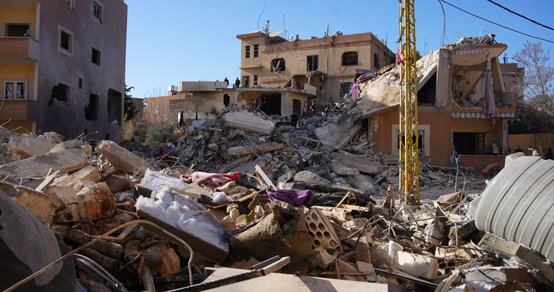
During conflict, the families, schools, communities and systems that protect children in everyday life can weaken or disappear altogether, increasing children’s risk of abuse and exploitation. Children are forced from their homes, separated from their families, and exposed to unfamiliar and unsafe environments.

Displacement can leave children more vulnerable to violence, abuse, neglect and exploitation, as protective systems break down. Many become separated from their families. 

Supportive families, schools and communities help protect children from harm, support their recovery, and build healthy futures beyond conflict.

1 in 5 children

live in active conflict zones around the world. That's 520 million children living with the realities of war.

Being with family and friends makes me feel happy and safe.

Ali, 12 years old Forced to return to Afghanistan by the conflict in Iran

What we do

Protecting children in conflict starts with the people around them. We work with families, schools and communities to prevent harm, identify risks early and ensure children are safe and supported. War Child’s child protection work is led by the communities themselves. We work with them to identify the risks children face, and develop and lead solutions that work best for them.


War Child’s evidence-based child protection methodologies: 

Community-led child protection

  • Evidence-informed
  • Child protection

Child-centred stigma reduction

  • Research-grounded
  • Child protection

Part of an integrated Care System

Nothing happens in isolation. All of our methodologies are designed to integrate with our mental health and psychosocial and education Care Systems. Each can be tailored to the specific context you are working in. 

Mental health and psychosocial support Education


Latest