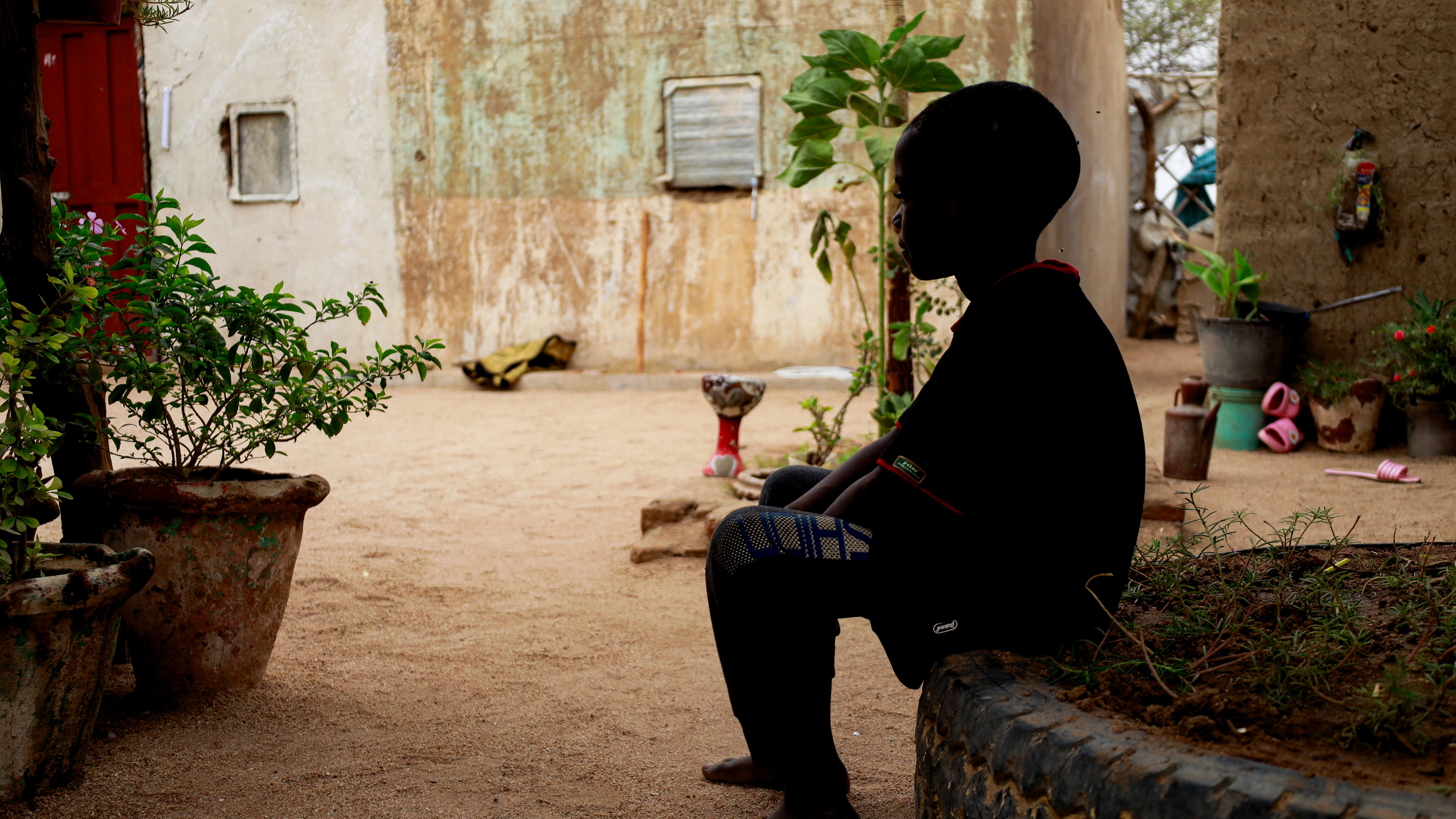
The report, Childhoods on the frontline: What crisis and humanitarian funding cuts mean for children, reveals the severe toll of shrinking aid budgets on child protection, education and mental health and psychosocial support services. Cuts to aid budgets over the last year have hit these critical services that support children's development and resilience hardest. In turn, reduced services have increased risks of violence, exploitation, school dropout and psychosocial distress.
The report also shows that impacts are strongly gendered, and the most vulnerable children suffer the deepest consequences. At the same time, local organisations have had to close programmes, reduce staff and scale back services just as children's needs are growing.
Today, a record 520 million children, one in five globally, live in conflict zones, while official development assistance from OECD donor countries fell by 23.1% in 2025, the largest reduction in recent history.
"At a time of escalating conflict, increasing human rights violations against children and record global military spending, deep cuts to humanitarian assistance are leaving millions of crisis-affected people without essential support,” explains Tiina Vahtras, Senior Advocacy Advisor for War Child and report author.
"What we see as a result is that children are paying the highest price. Governments, donors and multilateral institutions must invest in approaches that are locally led, integrated and evidence-based to maximise impact for children.”
Drawing on global evidence, as well as testimony from children and young people in Uganda and local organisations in Syria, Lebanon, Jordan and Yemen, the report shows how funding cuts are translating into real-world harm for children.
On Monday 5 October, contributors to the report from conflict-affected countries, alongside advocacy experts, will present the report's findings and recommendations in an online webinar.
One respondent who represents a national organization in Yemen describes the consequences on the ground:
“Families are prioritising immediate survival needs over education and child wellbeing. The reduced availability of specialised protection and referral services has further limited our ability to identify and respond to high-risk cases in a timely manner.”
The report argues that the current funding crisis is not only reducing services but weakening the systems that protect children. When education, child protection and mental health and psychosocial support programmes disappear, risks to children increase and communities lose critical support structures.
It also highlights growing concerns that humanitarian funding cuts are disproportionately affecting local and national organisations, despite global commitments to accelerate localisation.
Alongside a call for increased humanitarian funding, the report urges governments, donors and multilateral institutions to invest in approaches that are locally led, integrated and evidence-based to maximise impact for children. The report calls on governments, donors and multilateral institutions to:
Protect children's rights and essential services, including child protection, education and mental health support.
Fund better, and fund more, through flexible, predictable and multi-year funding.
Put local actors at the centre of responses, with greater leadership, resources and decision-making power.
Invest in integrated, inclusive and evidence-based responses that address children's interconnected needs.