

- Education
Teaching through conflict: How CORE is restoring hope to teachers in Eastern DRC
In Masisi, a War Child methodology demonstrates how teacher psychosocial wellbeing can be measured and strengthened, even under pressure.
Read about our work, impact and analysis
In Masisi, a War Child methodology demonstrates how teacher psychosocial wellbeing can be measured and strengthened, even under pressure.
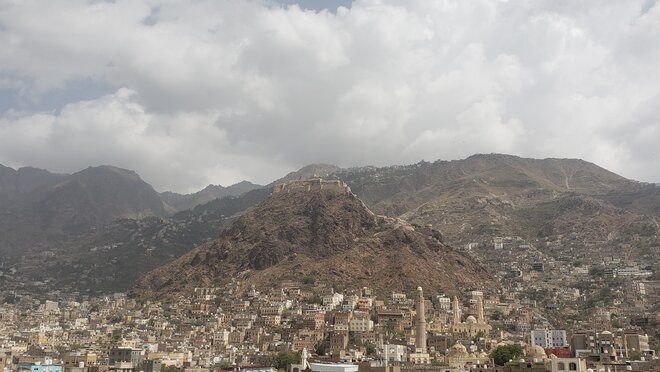
With 200,000 people, including children, displaced in Yemen within a month, our own colleague tells us about how she was forced to flee twice in this period, leaving home and beloved family members behind.
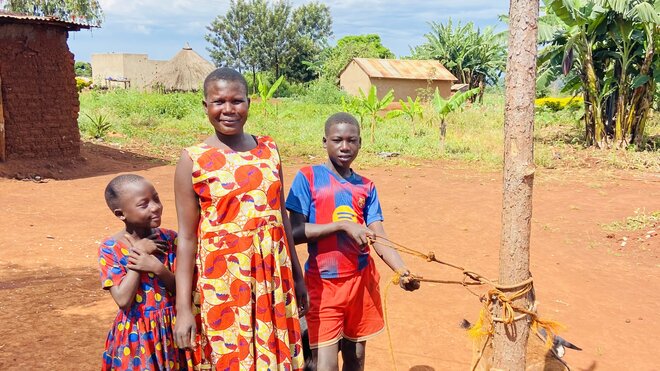
Uganda remains Africa’s largest refugee host country, sheltering over 2,000,000 refugees and asylum seekers as of September 2026. As these vulnerable communities continue to grow, the critical services needed to support them are experiencing severe funding shortages.

In the Masisi Territory located in the North Kivu province of the Democratic Republic of the Congo, children and caregivers traumatised by violence and displacement are learning to breathe again thanks to mental health and psychosocial support methodologies TeamUp and Bethere, supported by the Dutch Relief Alliance.
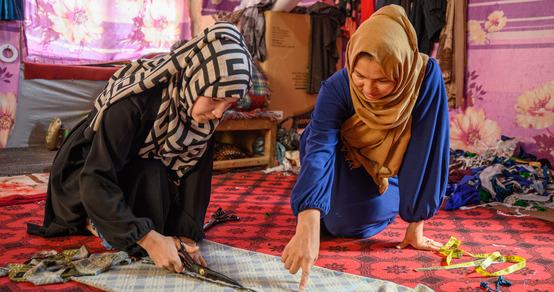
In Badghis Province, Afghanistan, War Child is working to protect and uplift children and young people impacted by severe poverty by teaching them valuable professional skills to earn their own income. This project was made possible through UK Aid Match, where every pound donated was matched by the UK government.

War Child understands that student wellbeing begins with teacher wellbeing. That’s why for the last two years, we have been implementing our CORE intervention in refugee settlements in Uganda - to provide teachers with the mental health support they need to provide quality education to children affected by conflict.
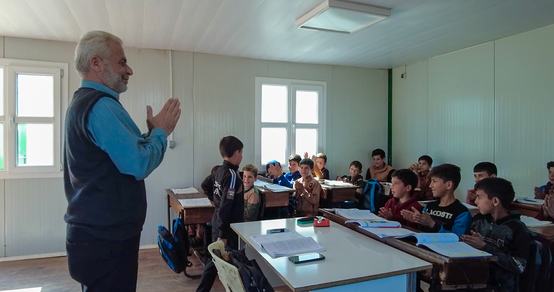
After war forced them to flee their homes in Northwest Syria, teacher Fuad and young student Amany have found their way back to the classroom with support from the Building a Brighter Future: Education and Protection Services for Crisis-Affected Children in North-West Syria project funded by the European Union’s Directorate‑General for European Civil Protection and Humanitarian Aid (DG ECHO)

Walid (11) and Lama (25) were both forced to flee their homes in Syria when violence broke out in the winter of 2019. After participating in the Building a Brighter Future: Education and Protection Services for Crisis-Affected Children in North-West Syria project funded by the European Union’s Directorate‑General for European Civil Protection and Humanitarian Aid (DG ECHO), they are daring to dream again about a better future.
