Amsterdam
The Yidan Prize for Education Development award recipients are Director of Research and Development Professor Mark Jordans, Can't Wait to Learn Implementation and Practitioner Lead Marwa Zahr and Luke Stannard, Can't Wait to Learn Programme Director. This team represents many contributors including past and present colleagues, partners and communities.
“We are incredibly honoured to receive the Yidan Prize, and we do so on behalf of a lot of people. This prize reflects more than a decade of dedication from countless collaborators. The commitment of everyone involved to children and to research that improves how we support children's learning is what has made Can’t Wait to Learn the effective intervention it is today. Ultimately, this prize is for the children that we serve – for their strength, resilience, audacity, and courage,” says Luke.
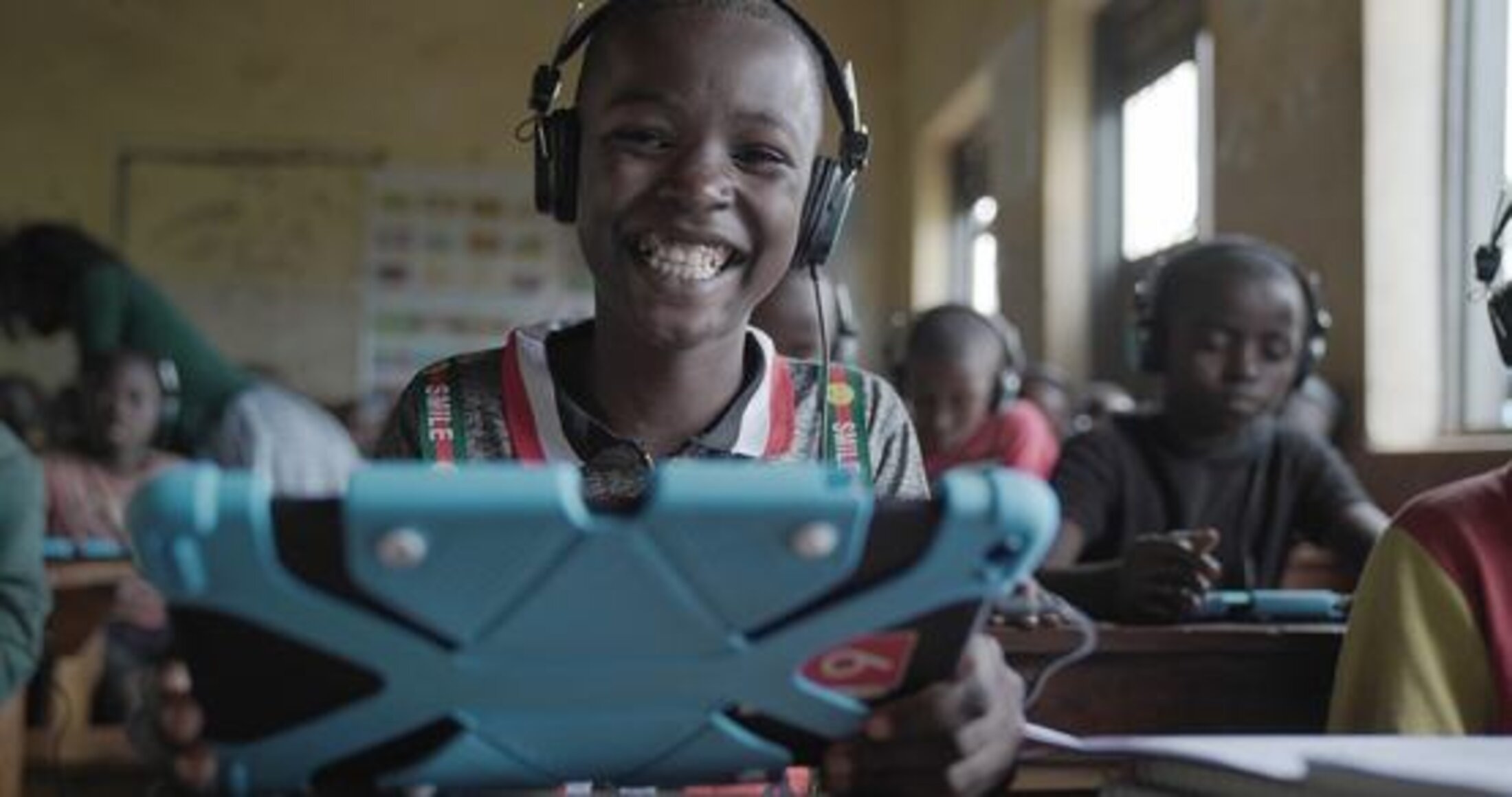
Can’t Wait to Learn uses digital technology and co-created, contextualised content aligned with national curriculum to deliver quality learning through online and offline games in conflict-affected and resource-constrained settings. Through Can’t Wait to Learn, children learn to read and count at their own pace via tablets, laptops, and mobile phones.
In the last decade, Can’t Wait to Learn has significantly improved literacy and numeracy outcomes for children affected by conflict. The intervention is active in eight countries and has already reached over 205,000 children. Can’t Wait to Learn has demonstrated significant improvements in literacy and numeracy – evidenced and informed by rigorous peer-reviewed research in six countries. The intervention has been endorsed by governments and has effectively responded to humanitarian crises, including the COVID-19 pandemic and the war in Ukraine.
The Yidan Prize funds will help War Child Alliance to accelerate Can’t Wait to Learn’s reach and effectiveness, so that 500,000 children are reached by 2028.
“The Yidan Prize will be used to further scale up Can’t Wait to Learn, not just in size but effectiveness. We want Can’t Wait to Learn to be as flexible and, cost-effective a tool for children and teachers in conflict or crisis zones as possible,” adds Luke.
Can’t Wait to Learn has a strong foundation of evidence to build on. War Child Alliance will work with partners to conduct further scientific research to determine what drives educational outcomes for children learning in emergencies. This will be led by War Child Alliance's Research & Development team and in close collaboration with local, national and global partners and academic institutions.
Contact for more information and interviews: Jess Timings, War Child Alliance Media Manager
jessica.timings@warchild.net, +316 4266 1929