

- Education
Teaching through conflict: How CORE is restoring hope to teachers in Eastern DRC
In Masisi, a War Child methodology demonstrates how teacher psychosocial wellbeing can be measured and strengthened, even under pressure.
Read about our work, impact and analysis
In Masisi, a War Child methodology demonstrates how teacher psychosocial wellbeing can be measured and strengthened, even under pressure.
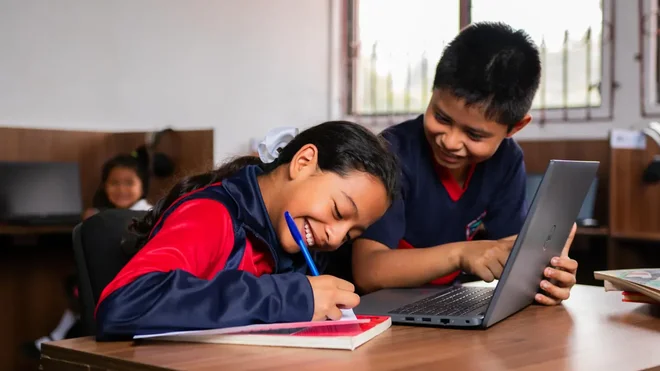
Can’t Wait To Learn, hosted by War Child, contributed a think piece to the new UNICEF and EdTech Hub report, Shaping the Future of Digital Education: A Global Conversation on How to Move Beyond Digital as Usual.

This study aimed to develop an intervention to improve consistent school attendance in participation with caregivers, teachers, and other stakeholders, in refugee settings in Uganda.

The International Rescue Committee (IRC), together with consortium partners Plan International and War Child Alliance, and with support from the LEGO Foundation, is launching PlayMatters 3.0, the next phase of a flagship education initiative supporting teachers improve holistic learning and wellbeing through Learning through Play, for pre-primary and primary school children.


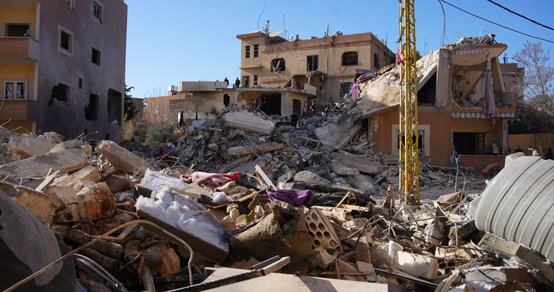
As the violence intensifies in Lebanon, our staff tell us about their daily lives, working with children, and coping with stress.
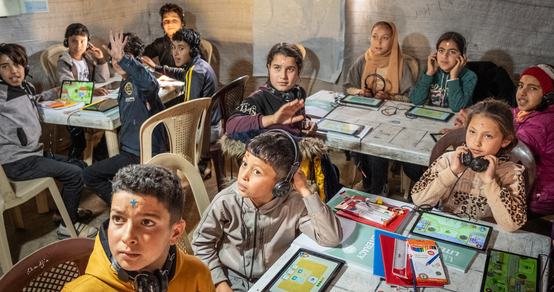
For Zeina*, supporting children to continue learning through war is not just a job, it’s a commitment shaped by her professional experience and her life as a mother. In Lebanon today, that commitment comes with growing challenges.

Schools play a crucial role in supporting adolescent mental health, especially in low- and middle-income countries (LMICs), where young people face structural and societal challenges. This study explores the feasibility and acceptability of the Health Action in Schools for a Thriving Adolescent Generation (HASHTAG), a multilevel intervention for at-risk adolescents aged 13–14 in South Africa.
